
Food insecurity is one of those issues people care about deeply—but it’s also surrounded by misinformation that can lead to stigma, missed resources, and “solutions” that don’t really solve anything.
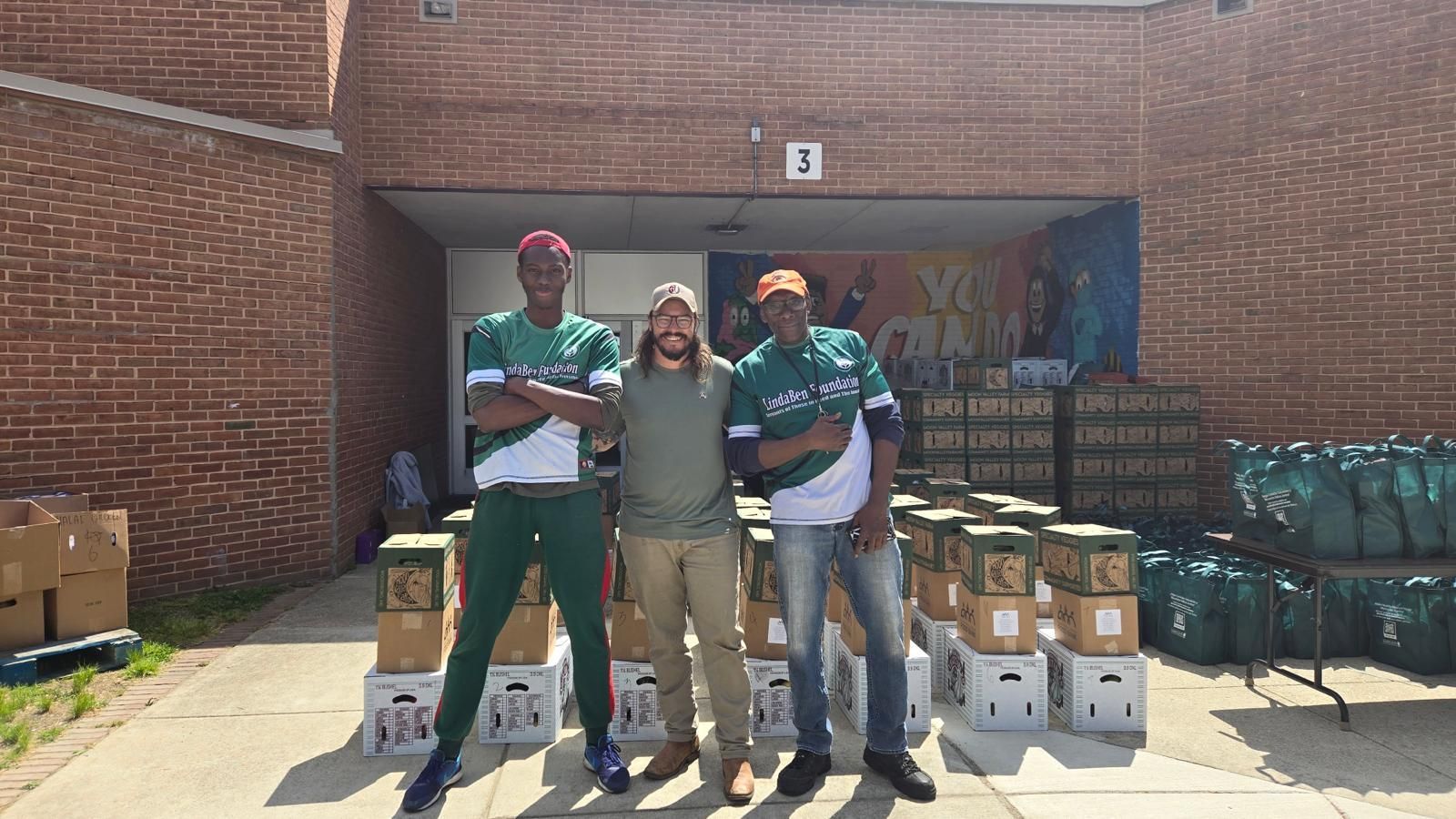
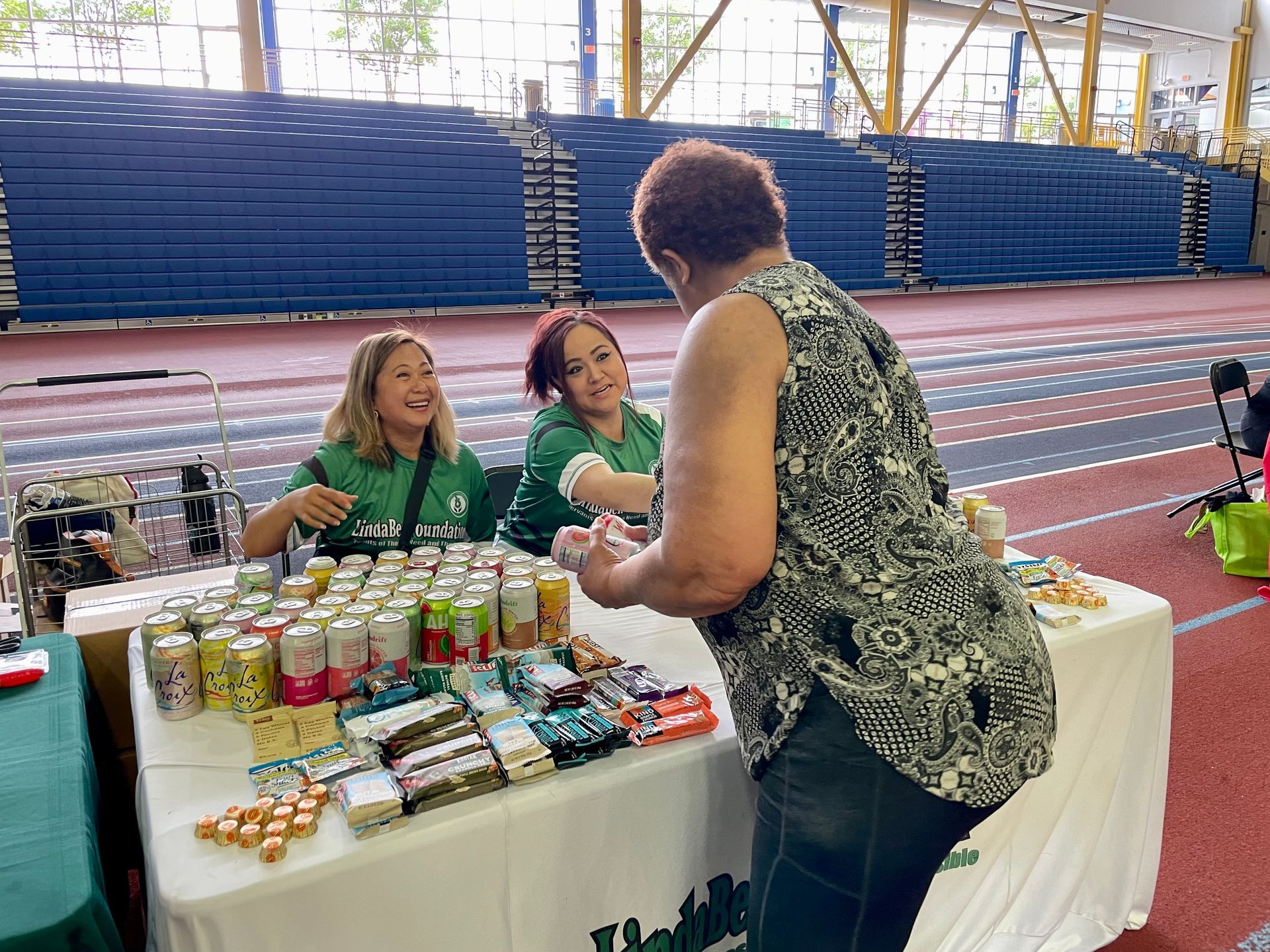
At the LindaBen Foundation, our mission is to provide nutritious food, promote wellness, reduce food waste, and offer nutrition education—helping children and empowering families to overcome food insecurity and improve health.
So let’s clear up a few of the most common myths we hear in our community.
Myth #1: “Food insecurity just means hunger.”
Fact: Food insecurity is about limited or uncertain access to adequate food—and it shows up long before someone is “hungry.” It can look like worrying food will run out, buying less nutritious options to stretch a budget, or skipping fresh items to afford rent or utilities.
Why it matters: When people wait until they’re “desperate enough” to seek help, problems become harder to fix. Early support prevents crisis.
Myth #2: “If someone needs help, it’s because they aren’t working hard enough.”
Fact: Food insecurity is a systemic issue that can affect people with jobs, families, students, seniors, and caregivers. It’s often driven by rising costs, unstable hours, medical bills, transportation barriers, or a short-term emergency—not a lack of effort.
What helps: Compassion + practical support that treats people with dignity (not judgment).
Myth #3: “Food pantries only provide canned goods.”
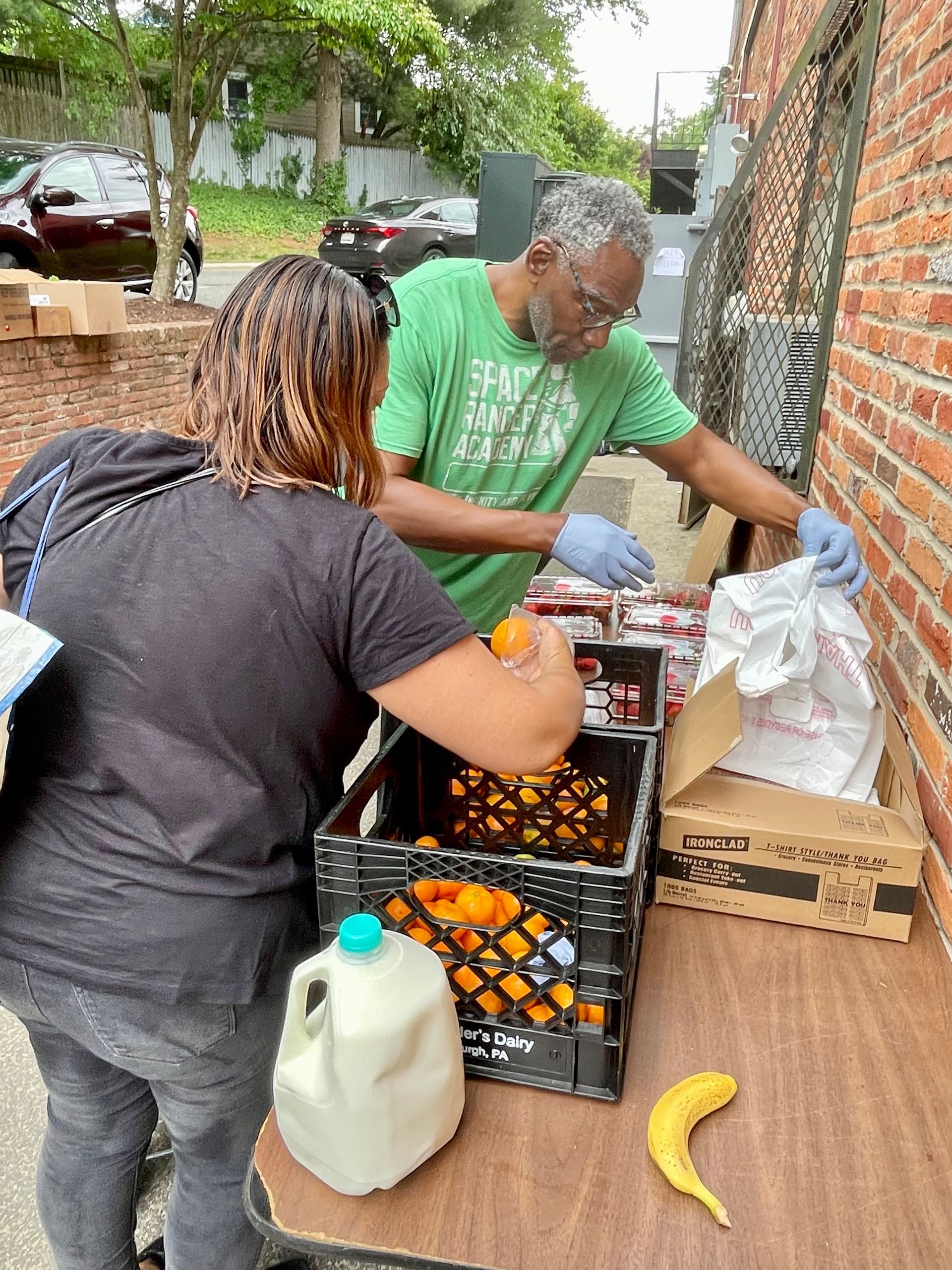
Fact: Many pantries work hard to provide fresh, healthy options—including produce, proteins, and culturally familiar foods—because nutrition is part of stability.
At LindaBen, our programs include efforts like Food as Medicine Produce Boxes, which can include fruits, vegetables, eggs, pantry staples, and sometimes meat/fish—plus a bilingual guide with cooking tips and nutrition information.
Our Community Pantry also operates with partners and regular distribution schedules to help meet ongoing needs.
Myth #4: “Food insecurity is only a ‘big city’ problem.”
Fact: Food insecurity can exist anywhere—urban, suburban, and rural—especially where wages don’t match living costs or where healthy food access is limited.
What helps: Local solutions—mobile markets, community hubs, and partnerships that reduce access barriers.
Myth #5: “Donating random food is always the best way to help.”
Fact: Food donations can be wonderful—when they match what’s needed. But organizations often need flexibility to purchase specific items (like proteins, fresh produce, baby essentials) and fill gaps quickly.
Also, food waste is a real challenge: in the U.S., 30–40% of the food supply is estimated to be wasted, which is why food recovery and smart distribution matter.
What helps most:
-
Giving funds so programs can buy what families actually need
-
Donating high-demand items (unopened, unexpired)
-
Supporting food recovery efforts that reduce waste and increase access
Myth #6: “Nutrition education doesn’t matter—people just need food.”
Fact: Families need both: reliable food access and tools that make healthy eating possible on real budgets and real schedules. That’s why LindaBen pairs food support with education—like bilingual guides and cooking tips included in our Food as Medicine program.
The goal: Not just a meal today—but better health outcomes tomorrow.
What You Can Do Right Now (Here)
Here are a few high-impact ways to help—whether you’re an individual, family, school, or business:
-
Volunteer consistently (a monthly shift helps more than one big day a year)
-
Donate funds to support nutritious food purchasing and program stability
-
Host a focused drive (protein, healthy pantry staples, baby essentials)
-
Share resources with someone who may be hesitant to ask for help
-
Partner with us if you’re an organization looking to support families locally
Want to learn more about our programs like Food as Medicine and our Community Pantry, or get connected to resources? Visit our site or reach out to us directly.
At the LindaBen Foundation, we believe every family deserves access to healthy food, respect, and the support to thrive—this season and all year long.