

Article
TLF Healthy Foods February 2026 Newsletter
🥦 February Nutrition Tips
🥗 1. Lean into winter produce
February is peak season for nutrient‑dense winter produce. These foods are naturally high in vitamins, minerals, and fiber.
Great picks:
- Sweet potatoes
- Brussels sprouts
- Cabbage
- Carrots
- Beets
- Citrus fruits (oranges, grapefruit, mandarins)
They're inexpensive this time of year and perfect for roasting, soups, and salads.
🍊 2. Boost your immune system
Cold and flu season is still going strong.
Add more of:
- Citrus (vitamin C)
- Garlic and onions (immune‑supportive compounds)
- Yogurt or kefir (probiotics)
- Leafy greens (antioxidants)
A simple daily habit: warm lemon water in the morning.
🍲 3. Choose warm, nutrient‑dense meals
Your body burns more energy staying warm in winter, so hearty meals can be both comforting and healthy.
Try:
- Lentil or bean soups
- Chili with lean protein
- Roasted vegetables with whole grains
- Oatmeal topped with nuts and berries
- These meals keep you full and stabilize blood sugar
💧 4. Don't forget hydration
Cold weather tricks people into drinking less water.
Easy hydration boosters:
- Herbal teas
- Warm water with lemon
- Broth‑based soups
- Keeping a water bottle nearby even indoors
Aim for steady sipping throughout the day.
🧠 5. Focus on heart‑healthy habits
February is Heart Health Month, making it a perfect time to support cardiovascular wellness.
Add more:
- Salmon, tuna, sardines (omega‑3s)
- Walnuts and almonds
- Oats and barley
- Olive oil
- Berries
Small swaps-like using olive oil instead of butter-add up.
🍫 6. Enjoy treats mindfully
Valentine's Day brings chocolate everywhere. You don't need to avoid it-just be intentional.
Smart choices:
- Dark chocolate (70%+)
- Pair sweets with protein to avoid sugar crashes
- Pre‑portion treats instead of eating from the box
🏃 7. Pair nutrition with movement
Shorter days can make you sluggish. Light movement helps digestion, mood, and appetite regulation.
Try:
- A 10‑minute walk after meals
- Stretching before bed
- Light strength training at home
Even small bursts make a difference.
❤️ Eating for a Healthy Heart
Eating for a healthy heart doesn't have to feel restrictive. It's really about building meals around ingredients that protect your arteries, support healthy cholesterol levels, and reduce inflammation. February is Heart Health Month, so it's a perfect time to refresh your routine with foods that genuinely make a difference.
🌾 1. Build meals around whole, fiber‑rich foods
Fiber helps lower LDL ("bad") cholesterol and keeps blood sugar steady.
Great choices:
- Oats, barley, quinoa
- Beans and lentils
- Apples, berries, pears
- Leafy greens and cruciferous veggies
Meal idea: Oatmeal topped with berries and walnuts.
🐟 2. Add omega‑3-rich proteins
Omega‑3 fatty acids help reduce inflammation and support heart rhythm.
Include more:
- Salmon, sardines, trout
- Tuna (in moderation)
- Walnuts
- Chia and flax seeds
Meal idea: Baked salmon with roasted Brussels sprouts and quinoa.
🫒 3. Choose heart‑healthy fats
Healthy fats improve cholesterol balance and support vascular health.
Use regularly:
- Extra‑virgin olive oil
- Avocado
- Nuts and seeds
- Natural nut butters
- Meal idea: Mixed‑greens salad with olive oil, avocado, and pumpkin seeds.
🫘 4. Swap red meat for lean or plant proteins
Reducing saturated fat helps protect arteries.
Try:
- Chicken or turkey
- Beans, lentils, tofu
- Fish twice a week
- Meal idea: Lentil chili with tomatoes, peppers, and spices.
🧂 5. Keep sodium in check
Too much sodium raises blood pressure, a major heart‑disease risk factor.
Simple ways to cut back:
- Choose low‑sodium broths and canned goods
- Season with herbs, citrus, garlic, and spices
- Limit processed meats and packaged snacks
Meal idea: Herb‑roasted chicken with lemon and garlic.
🍫 6. Enjoy treats mindfully
You don't need to avoid sweets-just choose smarter options.
Better choices:
- Dark chocolate (70%+)
- Fruit‑based desserts
- Small portions paired with protein or fiber
🥤 7. Drink for your heart
Hydration supports circulation and helps your heart pump efficiently.
Heart‑friendly drinks:
- Water
- Herbal teas
- Sparkling water with citrus
🧠 A simple formula for heart‑healthy meals
Try building plates using this easy structure:
- ½ vegetables or fruit
- ¼ whole grains
- ¼ lean protein
- + a small amount of healthy fat
- It keeps things balanced without overthinking
🥕 Winter Foods That Boost Mood
- Leafy greens: Spinach, kale, collards-rich in folate and magnesium.
- Citrus fruits: Vitamin C for immune support and energy.
- Root vegetables: Sweet potatoes, carrots, beets-comforting and nutrient‑dense.
- Beans and lentils: High in fiber, protein, and B vitamins.
- Fatty fish or canned tuna: Affordable sources of omega‑3s.
- Nuts and seeds: Provide healthy fats and minerals.
- Yogurt and fermented foods: Support gut health and digestion.
- Whole grains: Oats, brown rice, whole‑grain bread for steady energy.
🍽️ Simple Ways to Eat for Better Mood
- Build colorful plates: More colors = more nutrients for brain and body.
- Eat regularly: Prevents energy crashes that can worsen low mood.
- Mix fresh + pantry staples: Beans, canned fish, frozen veggies all count.
- Add herbs and spices: Cinnamon, turmeric, ginger, and oregano add antioxidants and warmth.
- Stay hydrated: Even mild dehydration can affect mood and focus.
- Enjoy comfort foods mindfully: Balance warmth and nourishment without restriction.
🌈 Why Dietary Diversity Matters
A diverse diet ensures you get a wide range of nutrients that work together to support:
- Stable energy
- Healthy digestion
- Balanced hormones
- Stronger immunity
- Better stress resilience
The more variety you include-colors, textures, plant types-the more you feed both your body and your mood.
🥣 Caldo Gallego (Galician White Bean & Greens Soup)
A classic Spanish winter soup made with beans, potatoes, greens, and smoky pork.
🧾 Ingredients (Serves 4-6)Base
- 1 cup dried white beans (navy, cannellini, or Galician fabas), soaked overnight
- 8 cups water or light broth
- 2-3 medium potatoes, peeled and diced
- 1 medium onion, chopped
- 2-3 cloves garlic, minced
- 2 tbsp olive oil
Meats (traditional)
- 4-6 oz chorizo (Spanish, not Mexican), sliced
- 4-6 oz cured pork: ham bone, pancetta, or salt pork
- Optional: a small piece of smoked ham hock for depth
Greens
- 2-3 cups chopped greens:
- Turnip greens (traditional)
- Collard greens
- Kale
- Swiss chard
Seasoning
- Salt and pepper to taste
- Optional: paprika (sweet or smoked)
🍲 Instructions1. Cook the beans
- Drain the soaked beans.
- Add them to a large pot with 8 cups of water or broth.
- Add the ham bone, pancetta, or ham hock.
- Simmer 1-1.5 hours until beans are tender.
2. Build the flavor base
- In a skillet, warm the olive oil.
- Sauté the onion until soft, then add garlic for 1 minute.
- Add this mixture to the bean pot.
3. Add potatoes and chorizo
- Add diced potatoes and sliced chorizo to the pot.
- Simmer 20-25 minutes until potatoes soften.
4. Add the greens
- Stir in chopped greens.
- Cook 10-15 minutes until tender but still vibrant.
5. Season and finish
- Remove any bones or large meat pieces, shred if desired, and return to the pot.
- Taste and adjust salt and pepper.
- Add a pinch of paprika if you want extra warmth.
🍽️ Serving Tips
- Serve hot with crusty bread.
- A drizzle of olive oil on top adds richness.
- Like many stews, it tastes even better the next day.
🌿 Variations
- Vegetarian: Skip the meats and use smoked paprika for depth.
- Thicker broth: Mash a few potatoes or beans into the soup.
- More traditional: Use grelos (turnip tops) if you can find them.

🎃 Stuffed Winter Squash with Warm Beet Salad
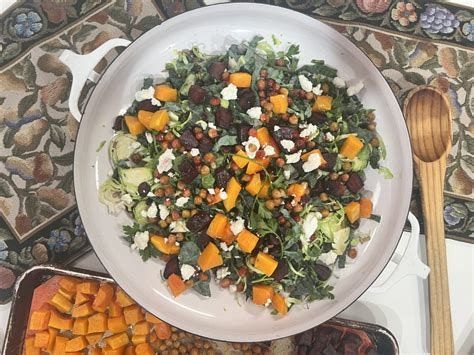
Stuffed winter squash with a warm beet salad is one of those dishes that feels both cozy and vibrant - perfect for February when you want something hearty but still full of color and nutrients. Here's a beautifully balanced recipe that brings together sweet roasted squash, earthy beets, and a bright, warm dressing.
🎃 Stuffed Winter Squash with Warm Beet Salad
A nourishing, seasonal dish featuring roasted squash filled with a savory grain mixture, paired with a warm beet salad that adds color and brightness.
🧾 Ingredients (Serves 4)For the Squash
- 2 small winter squash (acorn, delicata, or small butternut), halved and seeded
- 2 tbsp olive oil
- Salt and pepper
- 1 cup cooked quinoa, farro, or brown rice
- 1 small onion, diced
- 2 cloves garlic, minced
- 1 cup chopped kale or spinach
- ½ cup toasted walnuts or pecans
- ¼ cup dried cranberries or chopped dates
- 1 tsp thyme or rosemary
For the Warm Beet Salad
- 3-4 medium beets, roasted or steamed, peeled, and diced
- 1 tbsp olive oil
- 1 tbsp apple cider vinegar or red wine vinegar
- 1 tsp Dijon mustard
- 1 tsp honey or maple syrup
- Salt and pepper
- Optional: crumbled goat cheese or feta
- Optional: chopped parsley
🍽️ Instructions1. Roast the squash
- Preheat oven to 400°F.
- Brush squash halves with olive oil, season with salt and pepper.
- Place cut‑side down on a baking sheet and roast 30-40 minutes, until tender.
2. Prepare the stuffing
- Sauté onion in a little olive oil until soft.
- Add garlic and cook 1 minute.
- Stir in greens until wilted.
- Combine with cooked grains, nuts, dried fruit, herbs, salt, and pepper.
- Taste and adjust seasoning.
3. Stuff the squash
- Flip roasted squash halves cut‑side up.
- Spoon the stuffing mixture into each cavity.
- Return to the oven for 10 minutes to warm through.
4. Make the warm beet salad
- Warm olive oil in a skillet over medium heat.
- Add diced beets and heat until warm.
- Stir in vinegar, mustard, honey, salt, and pepper.
- Remove from heat and top with goat cheese or parsley if using.
5. Serve
- Place a stuffed squash half on each plate.
- Spoon warm beet salad alongside or over the top for a beautiful contrast.
🌿 Tips & Variations
- Add protein: Chickpeas, lentils, or shredded chicken work well.
- Make it vegan: Skip the cheese and use maple syrup instead of honey.
- Try different squash: Delicata is sweet and tender; acorn is classic; butternut is hearty.
- Add citrus: A squeeze of orange over the beets brightens everything.
🌾 February Harvest Spotlight
🥕 1. Root Vegetables
Cold weather actually sweetens many root crops, making February a perfect time to enjoy them.
In season:
- Carrots
- Beets
- Turnips
- Rutabaga
- Parsnips
- Sweet potatoes
Why they're great: Rich in fiber, vitamin A, potassium, and antioxidants. How to use: Roast with herbs, blend into soups, or grate into salads.
🥬 2. Winter Greens
These greens thrive in cold temperatures and often taste better after a frost.
In season:
- Kale
- Collard greens
- Swiss chard
- Spinach
- Mustard greens
Why they're great: Loaded with vitamins K, C, and folate-excellent for heart and bone health. How to use: Sauté with garlic, add to stews, or blend into smoothies.
🧅 3. Alliums
These pantry staples are at their peak and add depth to winter dishes.
In season:
- Onions
- Garlic
- Shallots
- Leeks
Why they're great: Support immunity and heart health with natural anti‑inflammatory compounds. How to use: Build flavor in soups, stir‑fries, and roasted dishes.
🍊 4. Citrus Fruits
While not grown locally in Maryland, citrus is abundant nationwide in February and worth highlighting for its nutritional punch.
In season:
- Oranges
- Grapefruit
- Lemons
- Tangerines
Why they're great: High in vitamin C and antioxidants-perfect for winter immunity. How to use: Add to salads, marinades, or morning yogurt.
🥔 5. Potatoes
A winter staple that stores beautifully and offers steady energy.
In season:
- White potatoes
- Red potatoes
- Fingerlings
Why they're great: Provide potassium, fiber (with skin), and slow‑release carbohydrates. How to use: Roast, mash, or turn into hearty winter bowls.
🍎 6. Apples & Pears
Stored from fall harvest, these fruits remain crisp and flavorful through winter.
Why they're great: High in fiber and antioxidants; great for digestion and heart health. How to use: Bake, slice into salads, or simmer into compotes.
🫘 7. Beans & Lentils (Local Pantry Heroes)
Not "harvested" in February, but widely available from local farms and co‑ops.
Why they're great: Affordable, protein‑rich, and perfect for winter soups and stews. How to use: Lentil chili, bean soups, or grain bowls.
🍽️ How to Build a February Plate
A simple formula that works beautifully with winter produce:
- ½ plate: roasted or sautéed seasonal vegetables
- ¼ plate: whole grains (barley, quinoa, brown rice)
- ¼ plate: lean protein (beans, fish, poultry)
- + healthy fat: olive oil, nuts, seeds
This keeps meals warming, nourishing, and aligned with seasonal abundance.
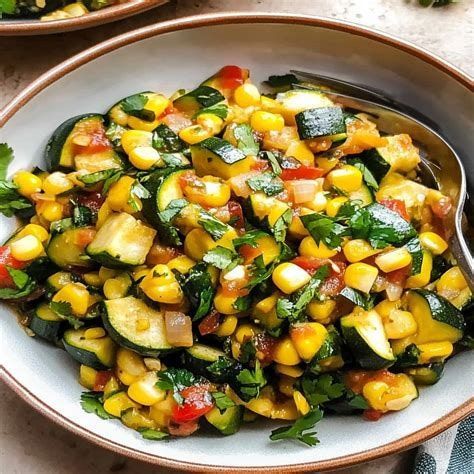
🌽 Easy Calabacitas (Mexican Zucchini & Corn Sauté)
A quick, vibrant side dish made with zucchini, corn, peppers, and a touch of cheese.
🧾 Ingredients (Serves 4)
- 2 medium zucchini or yellow squash, diced
- 1 cup corn (fresh, frozen, or canned)
- 1 small onion, diced
- 1 clove garlic, minced
- 1 jalapeño or serrano, seeded and diced (optional for heat)
- 1 Roma tomato, diced
- 1 tbsp olive oil or butter
- ½ tsp salt
- ½ tsp cumin (optional but delicious)
- ¼ cup shredded cheese (queso fresco, Monterey Jack, or cheddar)
- Optional: chopped cilantro or a squeeze of lime
🍳 Instructions1. Sauté the aromatics
Warm the oil in a skillet over medium heat. Add onion and cook until soft, about 3 minutes. Stir in garlic and jalapeño for another minute.
2. Add the zucchini and corn
Cook 5-7 minutes until the zucchini is tender but not mushy.
3. Add tomatoes and seasonings
Stir in the diced tomato, salt, and cumin. Cook 2-3 minutes until everything is warmed through.
4. Finish with cheese
Turn off the heat and sprinkle cheese over the top so it melts gently.
5. Serve warm
Garnish with cilantro or lime if you like a bright finish.
🌿 Variations
- Creamy version: Add 2 tbsp sour cream at the end.
- Protein boost: Stir in cooked chicken, ground turkey, or black beans.
- Spicy version: Use serrano peppers or add a pinch of chili flakes.
- Southwestern style: Add roasted green chiles.


Thank you for participating to our Food as Medicine Program through our partner schools. Your participation has brought more than just health to your table-it's brought joy and community spirit. As we aim to grow and refine this initiative, we deeply value your perspectives and experiences.
Please click HERE or scan the QR code for very brief survey.
share this
Related Articles