
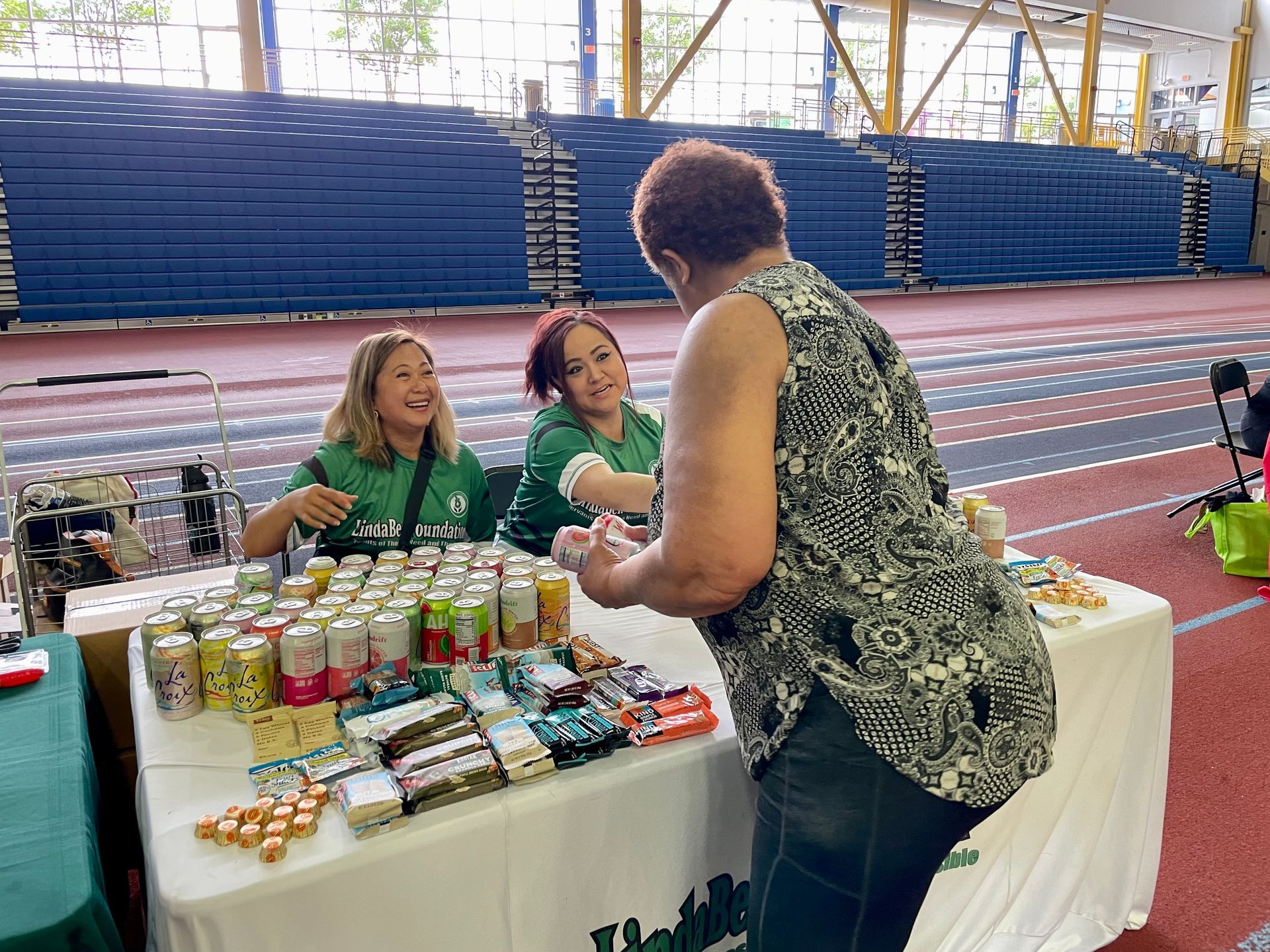
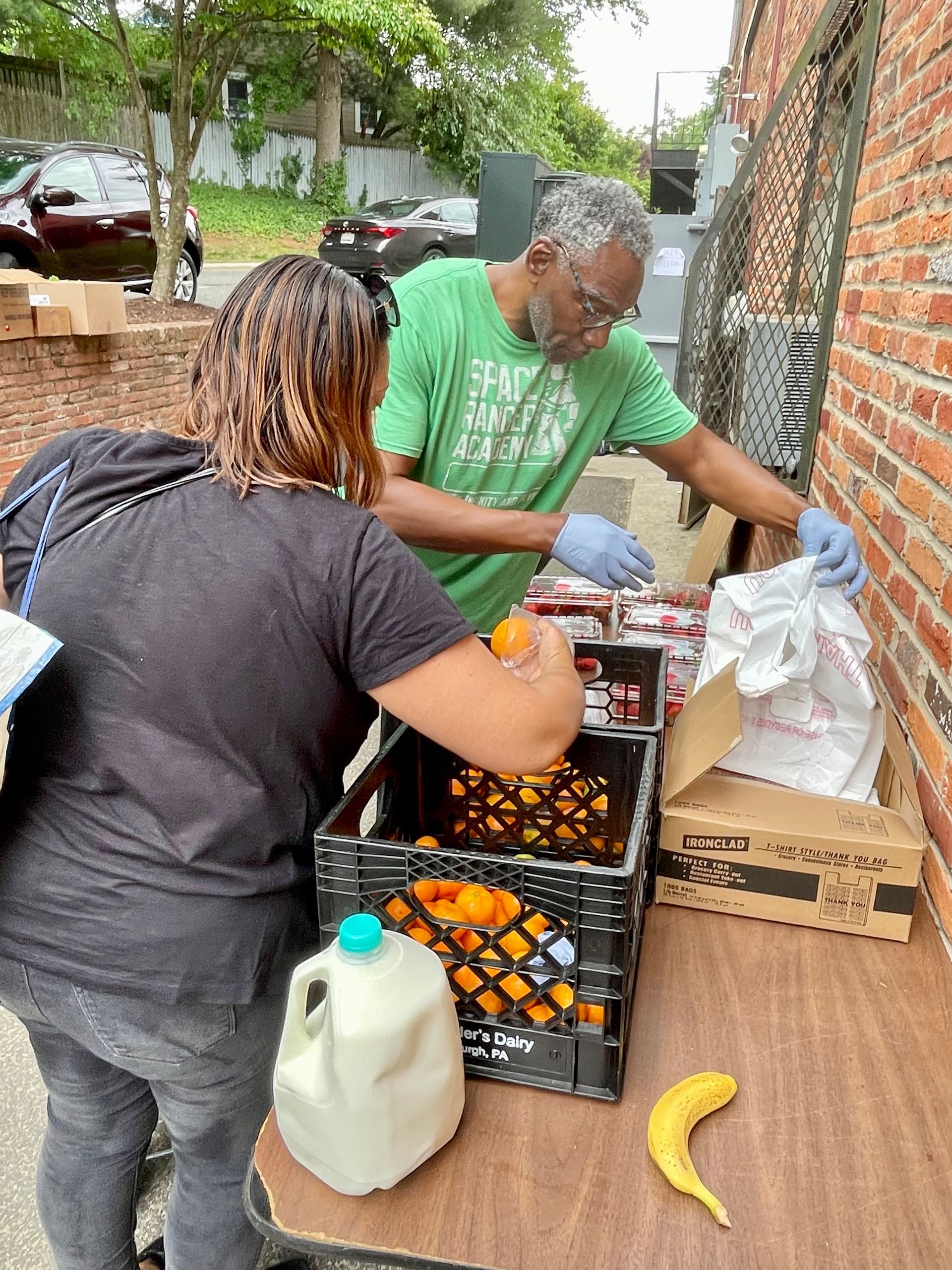

February is American Heart Month, a time to focus on the small everyday choices that support a healthier heart—especially what we eat. At the LindaBen Foundation, we believe food can do more than fill a plate. Food can support healing, improve energy, and reduce health risks when it’s nutritious, consistent, and accessible. That’s the heart of our work: providing nutritious food, promoting wellness, reducing food waste, and offering nutrition education to help children and empower families to overcome food insecurity and improve health.
And here’s the best news: heart-healthy eating doesn’t have to be expensive. With a few affordable staples and simple strategies, families can build meals that are both budget-friendly and supportive of heart health.
What “Food as Medicine” Means for Heart Health
“Food as Medicine” is the idea that the foods we eat can actively support wellness—like helping manage blood pressure, cholesterol, blood sugar, and inflammation over time. Our Food as Medicine (FAM) Rx Program is designed to “transform meals into healing moments” and includes a bilingual guide with cooking tips and nutrition information to encourage healthier choices for students and families.
For heart health, that often means focusing on:
-
Fiber (beans, oats, whole grains, fruits/veggies)
-
Healthy fats (olive oil, nuts, seeds)
-
Lower sodium (using herbs/spices and rinsing canned foods)
-
More plants (produce and plant proteins whenever possible)
7 Budget-Friendly Strategies for Heart-Healthy Eating
1) Build meals around low-cost “power foods”
Some of the most heart-supportive foods are also the most affordable:
-
Beans and lentils
-
Oats
-
Brown rice or whole-grain pasta
-
Frozen vegetables
-
Canned tomatoes (low sodium if possible)
2) Choose frozen and canned produce without guilt
Frozen veggies are nutritious, last longer, and reduce waste. Canned fruit can be great too—choose options packed in water or 100% juice when possible.
3) Rinse canned beans and veggies to reduce sodium
A quick rinse can reduce sodium noticeably—without sacrificing convenience.
4) Use flavor boosters instead of extra salt
Try garlic, onion, lemon, vinegar, black pepper, cumin, paprika, chili powder, and Italian seasoning. Big flavor = less need for salt.
5) Make “half-plate veggies” the default
Even adding one extra veggie per meal supports fiber and fullness—helpful for heart health and grocery budgets.
6) Cook once, eat twice
Batch-cook a pot of beans/lentils, a tray of roasted veggies, or a big soup. Leftovers reduce impulse spending and make weeknights easier.
7) Keep it realistic—not perfect
Heart-healthy doesn’t mean you never enjoy holiday foods. It means you balance them with nourishing meals most of the time.
Heart-Healthy, Budget-Friendly Recipes (Simple + Family-Friendly)
Recipe 1: One-Pot Lentil & Tomato Stew
Cost-friendly, high-fiber, filling
-
Sauté 1 chopped onion + 2 carrots in a little oil
-
Add 1 cup lentils, 1 can diced tomatoes, 4 cups water/broth, cumin + paprika
-
Simmer 20–25 minutes
-
Stir in frozen spinach at the end
Recipe 2: “Pantry Bowl” (Mix-and-Match)
Base + protein + veg + sauce
-
Base: brown rice or oats (savory oats are a thing!)
-
Protein: beans or lentils
-
Veg: frozen broccoli/peppers/spinach
-
Sauce: lemon + olive oil + pepper OR salsa + cumin
Recipe 3: Heart-Healthy Oatmeal Upgrade
Breakfast that keeps you full
-
Cook oats with water or milk
-
Add cinnamon + sliced banana or frozen berries
-
Top with a spoon of peanut butter or chopped nuts
Recipe 4: Quick Bean Salad (No Cooking)
Great for lunch or a side
-
Rinsed canned beans + chopped onion (optional)
-
Add canned corn or diced cucumber (if available)
-
Dress with olive oil + vinegar/lemon + pepper
-
Serve over greens or with whole-grain crackers
Why This Matters Here
Many households are trying to stretch grocery budgets and may be pushed toward less expensive, less nutritious options. Our community work responds through direct food support and connected resources—so families can access healthier foods and practical guidance.
That’s why we talk about Food as Medicine—because health shouldn’t depend on zip code, income, or whether you had an unexpected expense this month.
A February Challenge: One Heart-Healthy Habit
This American Heart Month, try one small habit for two weeks:
-
Add one veggie to lunch daily
-
Swap one meal to beans/lentils per week
-
Make oatmeal your go-to breakfast 3 days a week
-
Rinse canned beans and flavor with spices instead of extra salt
Small steps add up—especially when they’re repeatable.
From all of us at the LindaBen Foundation, thank you for being part of a Maryland where families can access nutritious food, build healthier habits, and thrive.