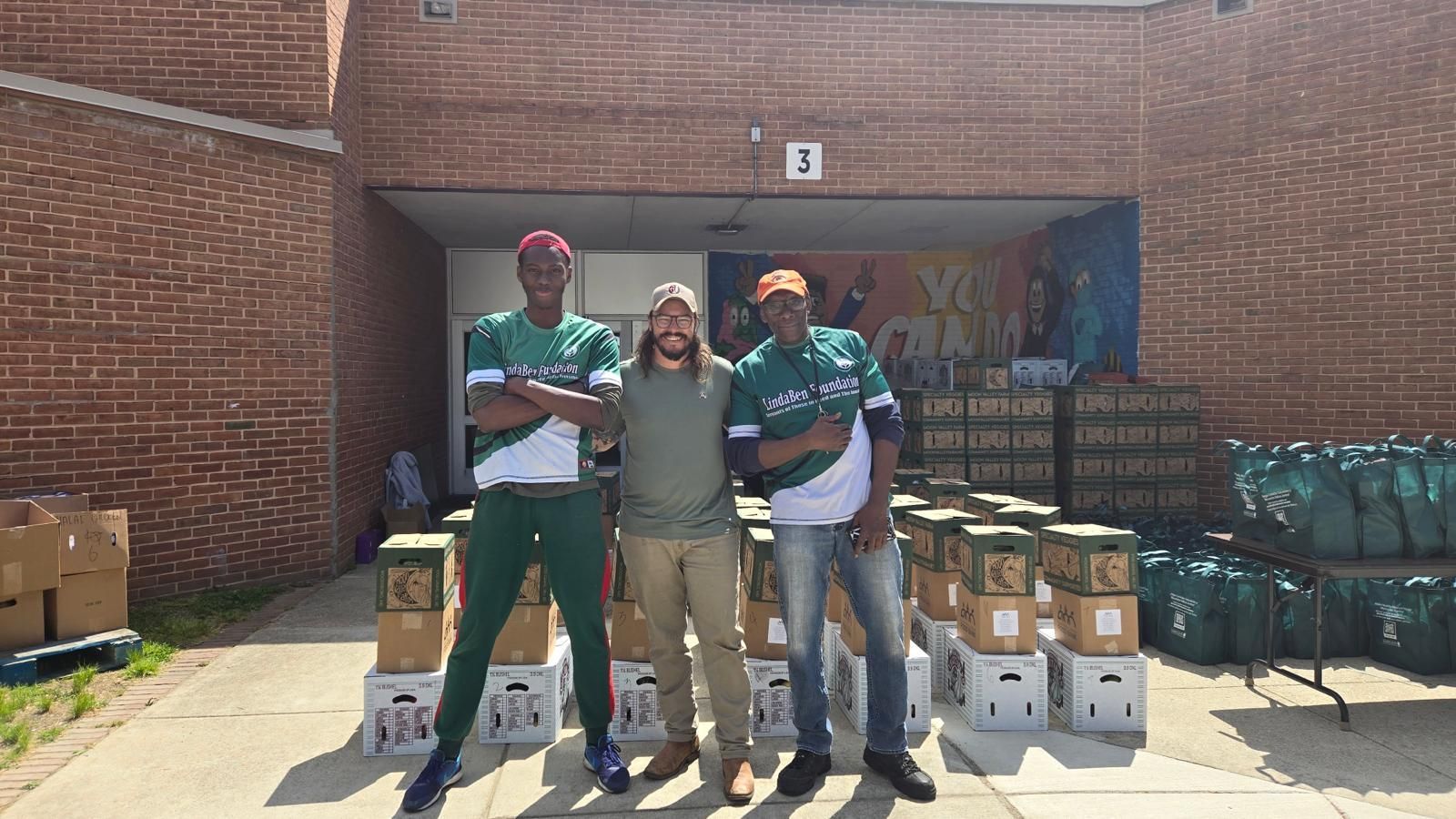
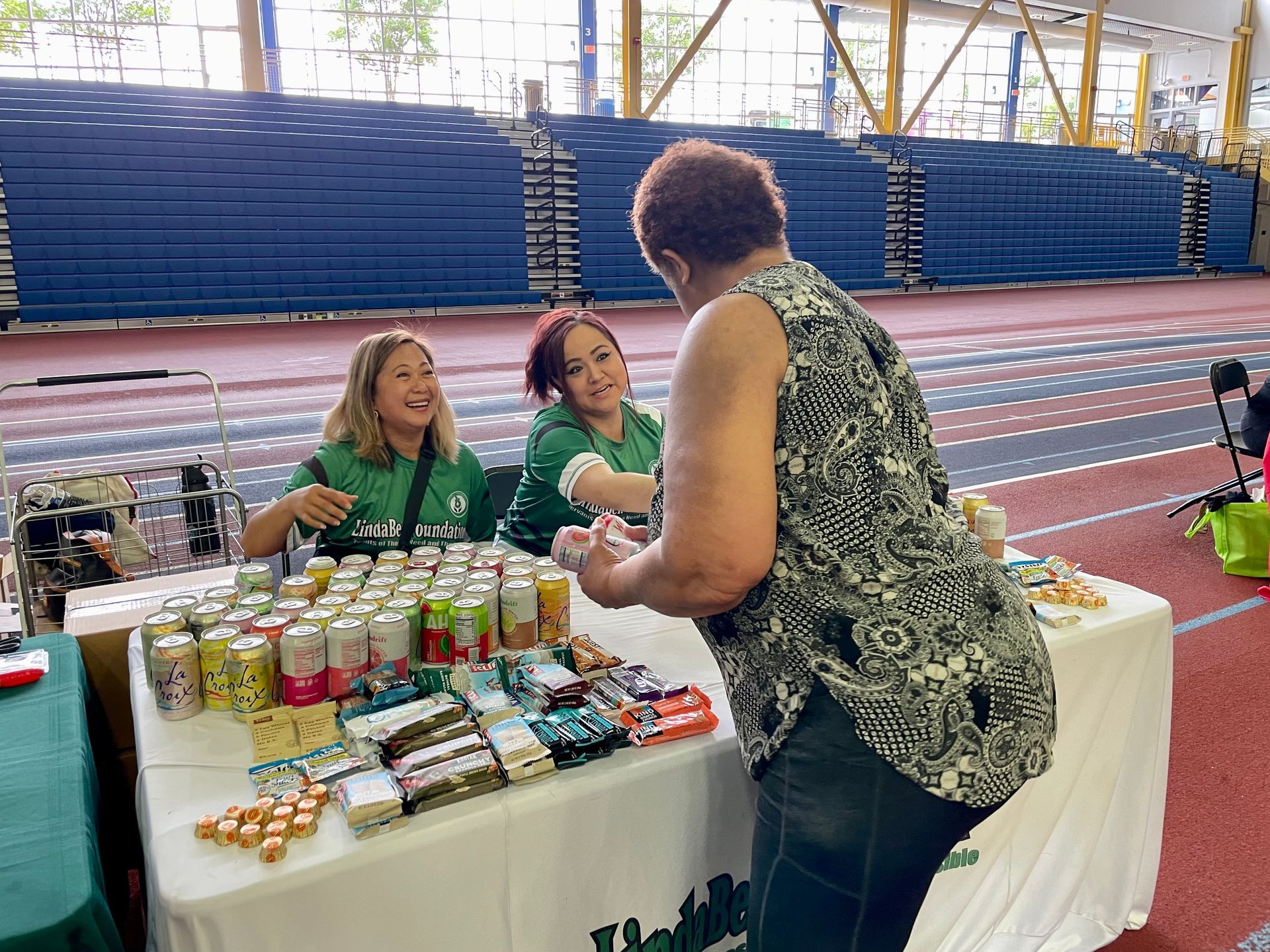
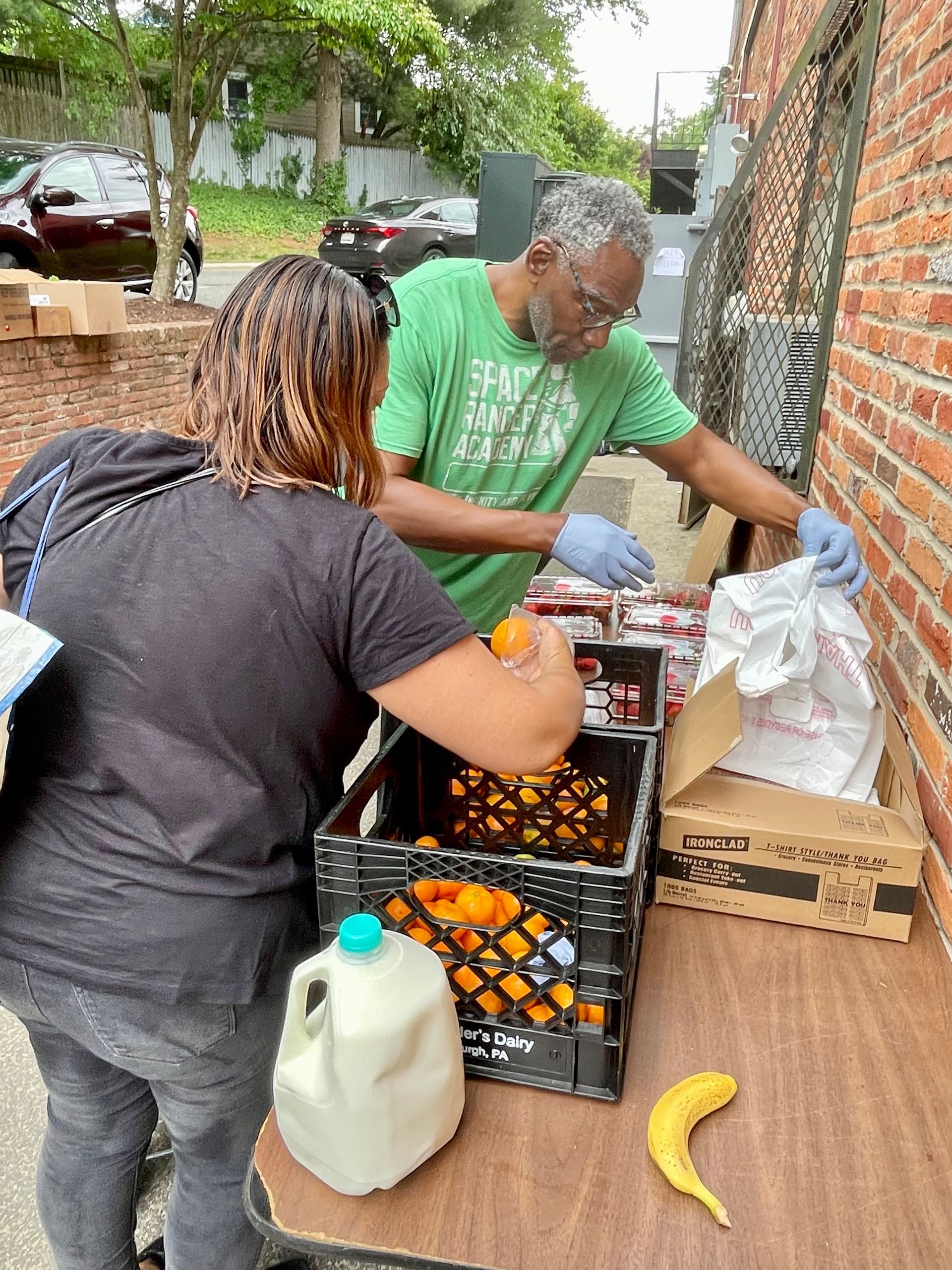

The holidays are supposed to feel warm: a table with food, people to share it with, and a sense of stability—even if life is complicated. But for many Maryland families, the season brings a different reality. Higher grocery prices, winter heating bills, childcare costs, and time off work can collide all at once, turning a time of celebration into a season of stress.
At the LindaBen Foundation, we believe no one should have to choose between paying rent and putting food on the table—especially during the holidays. If you’ve ever wondered what food insecurity looks like in real life, why it spikes this time of year, or what you can do that truly helps, this post is for you.
What “Food Insecurity” Really Means
Food insecurity isn’t only about hunger. It can mean:
-
Skipping meals so children can eat
-
Stretching groceries by watering down milk or reducing portions
-
Choosing cheap, filling foods over fresh or nutritious options
-
Going without food for a day or more to cover other bills
-
Not knowing where the next meal will come from
It’s not a personal failure. Food insecurity is often the result of unstable wages, unexpected expenses, medical bills, transportation barriers, and lack of access to affordable groceries.
Why the Holidays Make It Harder
Food needs don’t pause during the holidays—but many household costs increase:
1) Higher seasonal expenses
Gifts, travel, school events, and holiday expectations can add pressure, especially for parents who want their kids to feel included.
2) Winter utility bills
Heating costs rise, and for many households it becomes a tradeoff: heat or eat.
3) Work hours can change
Some jobs reduce hours in winter. Others require people to miss shifts due to school breaks, childcare needs, or illness.
4) School breaks mean fewer meals for kids
Many children rely on school breakfast and lunch. When school is out, families must cover more meals at home.
What Food Insecurity Looks Like in Our Communities
Here in Maryland—across cities, suburbs, and rural communities—food insecurity can show up quietly. It’s the neighbor who “isn’t hungry” at a gathering. It’s a senior on a fixed income choosing medication over groceries. It’s the family who works hard but still can’t catch up.
At the LindaBen Foundation, we meet people where they are—with compassion, dignity, and practical support. The need is real, and it’s closer than many of us realize.
Ways You Can Help (That Actually Make a Difference)
You don’t need to do everything. You can do one meaningful thing—and that’s enough.
1) Give funds (the most flexible support)
Monetary donations allow organizations to buy exactly what families need, often at lower cost through bulk purchasing or partner discounts. Even small donations can stretch into multiple meals.
How to help: Consider a one-time gift or a monthly donation that supports families beyond December.
2) Build a “Holiday Essentials Box”
If you’re looking for a hands-on way to help, consider assembling a box focused on practical, high-use items:
-
Shelf-stable proteins (tuna, chicken, beans, lentils)
-
Whole grains (brown rice, oats, whole-wheat pasta)
-
Nut butters
-
Canned vegetables and fruit (in water/juice)
-
Cooking basics (oil, spices, salt, pepper)
-
Low-sugar cereals
-
Baby items if needed (diapers, formula—only if requested)
Tip: Include items that don’t require special equipment and are easy to prepare.
3) Volunteer time—especially in “behind-the-scenes” roles
Many food support efforts need help sorting donations, packing boxes, delivering, stocking shelves, or helping with admin tasks. Winter can be a tough time for staffing, so volunteers are crucial.
How to help: Volunteer as an individual, family, workplace team, or student group.
4) Organize a focused drive (less random, more useful)
Instead of a general “food drive,” choose one theme to avoid unusable donations:
-
Protein Drive (tuna, beans, peanut butter)
-
Breakfast Drive (oats, cereal, shelf-stable milk)
-
Baby Essentials Drive (diapers, wipes—confirm needs first)
-
Hygiene + Food Drive (soap, toothpaste + pantry staples)
Tip: Add a simple sign-up list so people don’t all donate the same item.
5) Use your voice: share resources and reduce stigma
Sometimes the most powerful support is making it easier for someone to ask for help.
-
Share local pantry and meal resources (especially during school breaks)
-
Normalize seeking support: “It’s okay to need help—especially right now.”
-
Encourage people to reach out early, before a crisis hits
What to Avoid (So Your Help Helps)
A few well-intentioned choices can accidentally create extra work for food programs:
-
Donating expired or dented cans
-
Giving highly specialized diet products unless requested
-
Donating open packages or homemade foods (usually not allowed)
-
Dropping off donations without confirming needs/hours
If you’re unsure what’s helpful, cash + requested items are usually the best route.
A Simple Holiday Challenge: Help Provide Meals in Maryland
This season, we invite you to join the LindaBen Foundation in a simple commitment:
-
Skip one takeout meal and donate the cost
-
Host a mini-drive with friends or coworkers
-
Volunteer one afternoon
-
Share resources with someone who may need them
When we work together, we create something powerful: a community where people are cared for and no one is forgotten.
You Can Be Part of the Solution
Food insecurity is complex—but hope can be simple: showing up, giving what you can, and treating neighbors with dignity.
From all of us at the LindaBen Foundation, thank you for caring, and thank you for helping Maryland families meet this season with support and full plates.
Want to get involved?
Donate, volunteer, or partner with us to support families facing food insecurity this holiday season.