



Article
TLF Healthy Foods January 2025 Newsletter
🥦 January Nutrition Tips
Start the year strong with simple, nourishing choices
🍊 Seasonal Produce to Prioritize
- Oranges & citrus: High in vitamin C, folate, and antioxidants-great for immune support.
- Spinach & leafy greens: Rich in iron, vitamin K, and fiber; perfect for soups and sautés.
- Mushrooms: A natural source of vitamin D and immune‑supportive compounds.
- Sweet potatoes & carrots: Packed with beta‑carotene for skin and immune health.
- Tropical fruits: Pineapple and mango offer digestive enzymes and vitamin C.
🥗 Healthy Habits to Build
- Focus on high‑protein meals: Keeps you full and supports lean muscle.
- Watch added sugars: Read labels and choose whole foods to reduce cravings.
- Stay hydrated: Aim for 100 oz of water daily-herbal teas count too.
- Prioritize sleep: Rest supports metabolism, mood, and immune function.
- Move more with NEAT: Non‑exercise activity like walking, cleaning, and stretching boosts energy
🧠 Mindful Eating Reminders
- Don't skip meals: Steady eating helps regulate blood sugar and mood.
- Balance your plate: Aim for half veggies, a quarter protein, a quarter whole grains.
- Cook once, eat twice: Batch soups, stews, and roasted veggies for easy meals.
- Add herbs and spices: Flavor without extra salt or sugar-try turmeric, garlic, and cinnamon.
🥬 Winter Greens for a Fresh Start
Why leafy vegetables matter most when the days are cold
🌱 Why Greens Shine in Winter
- Peak freshness: Kale, collards, mustard greens, and spinach thrive in cold weather, making them sweeter and more nutrient-dense.
- Immune support: Rich in vitamins A, C, and K-crucial for fighting infections, healing skin, and supporting bone health.
- Digestive health: High fiber content helps regulate digestion and reduce bloating.
- Mood and stress balance: Folate in greens supports serotonin production, helping regulate mood during darker months.
- Antioxidant protection: Phytochemicals and flavonoids help reduce inflammation and protect cells from winter stressors.
🧃 Nutritional Profile Highlights
| Nutrient | Role | Found in |
|---|---|---|
| Vitamin A | Skin, vision, immunity | Spinach, kale, collards |
| Vitamin C | Immune defense, collagen | Mustard greens, broccoli |
| Vitamin K | Bone strength, blood clotting | Kale, turnip greens |
| Folate | Mood regulation, cell repair | Spinach, arugula |
| Iron | Energy, oxygen transport | Swiss chard, beet greens |
| Magnesium | Muscle and nerve function | Collards, spinach |
🥗 Easy Ways to Add Winter Greens
- Sauté with garlic and olive oil for a quick side.
- Add to soups and stews for extra fiber and flavor.
- Blend into smoothies with citrus and banana.
- Use as a base for grain bowls with beans and roasted veggies.
- Toss into scrambled eggs or omelets for a breakfast boost.
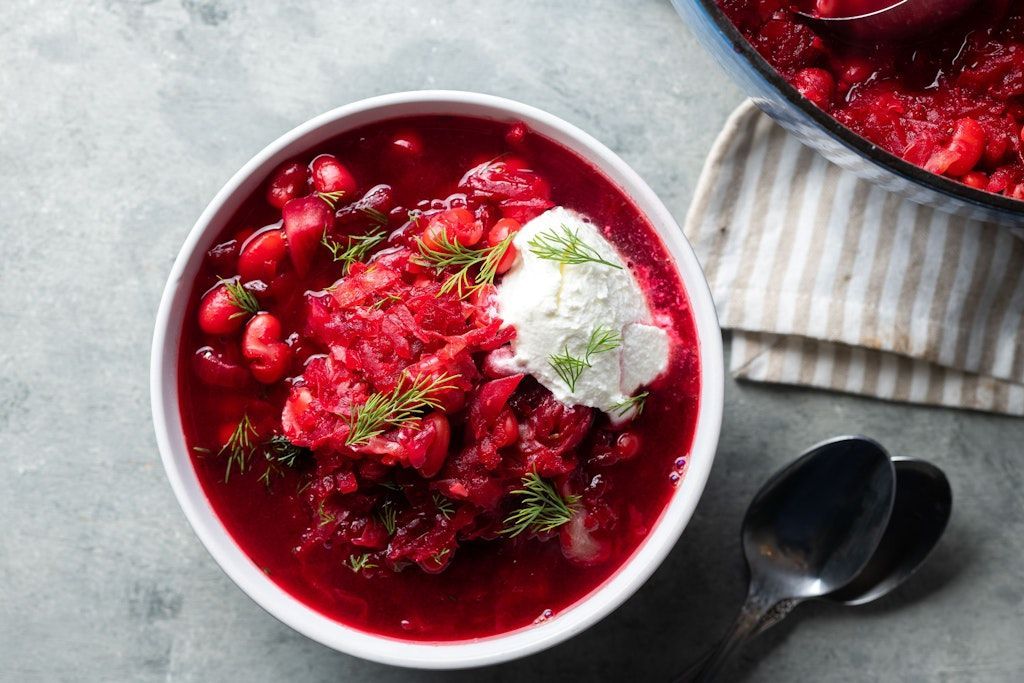
Beet and Cabbage Soup
When beets are cooked as they are in this recipe, they turn a bright fuchsia color. Wear disposable plastic gloves when working with beets. Puree only one or two cups of hot soup at a time, holding the top of the blender firmly to keep it from flying off.
Ingredients
1/4 cup (1/2 stick) unsalted butter
3 cups coarsely chopped peeled raw beets (from 1 1/2 pounds)
2 cups chopped red onions
3 celery stalks, coarsely chopped
1 cup chopped red cabbage
3 tablespoons finely chopped seeded jalapeño chiles
5 cups (or more) low-salt chicken broth
2 tablespoons fresh lime juice
Tortilla chips
Sour cream
Preparation
Step 1
Melt butter in heavy large saucepan over medium-high heat. Add beets, onions, celery, cabbage, and chiles; sauté until celery is soft, about 10 minutes. Add 5 cups broth and lime juice; bring to boil. Reduce heat to medium-low. Cover and simmer until vegetables are very tender, about 1 hour 15 minutes.
Step 2
Working in small batches, puree soup in blender until smooth. Return soup to pot; season to taste with salt and pepper. Thin with more broth by 1/4 cupfuls, if desired. Ladle soup into bowls and top with tortilla chips and sour cream.

Afghan Beef Ghorma: A Beef Stew Recipe
This Afghan beef ghorma recipe is the ultimate cold-weather comfort food. Try this Afghan version of beef stew.
Ingredients
Scale1x2x3x
2 lbs Chuck Roast (or other roast meat, trimmed)
3 Potatoes
1 Medium Onion (finely chopped)
4 cloves garlic
1 bouillon cube
2 tablespoons of cooking oil
2 Teaspoons of cumin
2 teaspoons of coriander
1 teaspoon of turmeric
1 teaspoon of black pepper
1 teaspoon of salt
1 Cup Warm Water
Instructions
1. Turn Instant Pot on saute. Then, add cooking oil.
2. Saute onions. Let them cook down. Then, add your garlic.
3. Next, you will add your spices: cumin, coriander, turmeric, black pepper, and salt.
4. After that, add your meat and brown thoroughly. You want to cover the meat in spices and onion and garlic.
5. Next, add your potatoes. Cover in 1 Cup of hot water and add the bouillon cube.
6. Set your Instant Pot for 30 minutes or cook in your pressure cooker until tender.
7. Finally, serve with some rice and a salata.
🌶️ The Warmth of Spices
How budget‑friendly spices add flavor, comfort, and nutrition all winter long
🧂 Affordable Spices That Go a Long Way
- Cinnamon: Sweet, warming, and perfect for oatmeal, baked fruit, coffee, and stews.
- Turmeric: Earthy and golden; great in rice, lentils, soups, and roasted veggies.
- Cumin: Adds depth to beans, tacos, chili, and roasted root vegetables.
- Paprika (sweet or smoked): Boosts color and flavor in eggs, potatoes, and chicken.
- Garlic powder: A pantry staple for seasoning veggies, soups, and marinades.
- Ginger (ground): Bright and warming in teas, stir‑fries, and baked goods.
- Oregano: Perfect for tomato dishes, beans, and roasted vegetables.
- Curry powder: A blend that instantly transforms soups, chickpeas, and rice.
🍽️ How to Use These Spices Every Day
- Add to roasted veggies: Cumin, paprika, and garlic powder turn simple vegetables into comfort food.
- Boost soups and stews: Turmeric, oregano, and curry powder deepen flavor without extra salt.
- Warm up breakfast: Cinnamon and ginger brighten oatmeal, yogurt, or fruit.
- Season proteins affordably: Beans, eggs, chicken, and tofu all shine with simple spice blends.
- Make quick spice rubs: Mix paprika, garlic, cumin, and oregano for an all‑purpose seasoning.
💪 Nutrition Benefits of Common Spices
- Cinnamon: Contains antioxidants and supports balanced energy.
- Turmeric: Known for anti‑inflammatory compounds like curcumin.
- Ginger: Supports digestion and adds natural warmth.
- Garlic powder: Contains compounds linked to immune support.
- Oregano: Rich in antioxidants and plant compounds.
- Paprika: Provides vitamin A and adds color without calories.
- Cumin: Supports digestion and adds deep flavor to plant‑based meals.
🧺 Budget Tips for Spice Shopping
- Buy small jars or packets: They're cheaper and stay fresh.
- Choose blends wisely: Curry powder, chili powder, and Italian seasoning stretch far.
- Store in a cool, dark place: Keeps flavor strong for months.
- Use spices to reduce salt: Flavor stays bold without relying on sodium.
🌤️ Food + Mood: Beating the Winter Blues
How a diverse diet can directly support mental health in winter
🧠 Why Food Affects Mood
Winter brings shorter days, less sunlight, and colder weather-all of which can influence energy, motivation, and emotional balance. A varied, nutrient‑rich diet helps counter these effects by supporting brain chemistry, gut health, and steady energy levels.
🥗 The Mood-Nutrition Connection
Here's how different nutrients play a role:
- Complex carbohydrates: Support steady energy and help the body produce serotonin, a mood‑regulating neurotransmitter.
- Omega‑3 fats: Found in fish, walnuts, and flax; support brain health and reduce inflammation.
- B vitamins: Especially B6, B12, and folate-key for energy and cognitive function.
- Vitamin D: Often low in winter; supports mood and immune health.
- Antioxidants: Found in colorful fruits and veggies; help reduce oxidative stress linked to low mood.
- Probiotics + fiber: Support gut health, which is closely tied to emotional well‑being.
🥕 Winter Foods That Boost Mood
- Leafy greens: Spinach, kale, collards-rich in folate and magnesium.
- Citrus fruits: Vitamin C for immune support and energy.
- Root vegetables: Sweet potatoes, carrots, beets-comforting and nutrient‑dense.
- Beans and lentils: High in fiber, protein, and B vitamins.
- Fatty fish or canned tuna: Affordable sources of omega‑3s.
- Nuts and seeds: Provide healthy fats and minerals.
- Yogurt and fermented foods: Support gut health and digestion.
- Whole grains: Oats, brown rice, whole‑grain bread for steady energy.
🍽️ Simple Ways to Eat for Better Mood
- Build colorful plates: More colors = more nutrients for brain and body.
- Eat regularly: Prevents energy crashes that can worsen low mood.
- Mix fresh + pantry staples: Beans, canned fish, frozen veggies all count.
- Add herbs and spices: Cinnamon, turmeric, ginger, and oregano add antioxidants and warmth.
- Stay hydrated: Even mild dehydration can affect mood and focus.
- Enjoy comfort foods mindfully: Balance warmth and nourishment without restriction.
🌈 Why Dietary Diversity Matters
A diverse diet ensures you get a wide range of nutrients that work together to support:
- Stable energy
- Healthy digestion
- Balanced hormones
- Stronger immunity
- Better stress resilience
The more variety you include-colors, textures, plant types-the more you feed both your body and your mood.


Thank you for participating to our Food as Medicine Program through our partner schools. Your participation has brought more than just health to your table-it's brought joy and community spirit. As we aim to grow and refine this initiative, we deeply value your perspectives and experiences.
Please click HERE or scan the QR code for very brief survey.
share this
Related Articles