

Article
TLF Healthy Foods March 2026 Newsletter
🥦 March Nutrition Tips
A strong set of March nutrition tips centers on seasonal shifts, immune support, and getting your routine back on track after winter. Since this touches on health, it's important to check in with a qualified healthcare professional if you have specific medical concerns or conditions. What follows is general, food‑focused guidance you can adapt to your own routine.
🌱 Seasonal foods to lean into
March is a transition month, and early‑spring produce starts showing up. These foods tend to be nutrient‑dense and naturally lighter.
- Leafy greens - spinach, kale, chard, and arugula support fiber intake and provide iron and folate.
- Cruciferous vegetables - cabbage, cauliflower, and broccoli offer antioxidants that support immune function.
- Citrus - oranges, grapefruit, and mandarins remain in season and provide vitamin C.
- Early spring herbs - parsley, dill, and chives brighten meals and add micronutrients without extra calories.
🌤️ Support your immune system as seasons change
Weather swings and allergy season can stress the body. Food choices that help:
- Protein at each meal supports immune cells and helps stabilize energy.
- Probiotic foods like yogurt, kefir, kimchi, and sauerkraut help maintain gut health.
- Hydration matters more than people realize in early spring when indoor heat is still running.
🍽️ Lighten up winter eating patterns
March is a natural reset point after heavier winter meals.
- Shift toward more vegetables per plate-aim for half the plate from produce.
- Swap some comfort‑food starches for whole grains like quinoa, farro, or oats.
- Add healthy fats (avocado, nuts, olive oil) to support satiety without heaviness.
🏃♀️ Align nutrition with increasing activity
As days get longer, many people move more.
- Add post‑activity snacks with a mix of carbs and protein (fruit + nuts, yogurt + berries).
- Increase electrolyte‑rich foods like bananas, leafy greens, and beans if you're sweating more.
- Revisit portion sizes if your activity level changes significantly.
🌼 Spring‑clean your kitchen habits
March is a great time to refresh routines.
- Rotate out older pantry items and restock staples like beans, whole grains, and spices.
- Prep simple batch‑cooked meals-soups, roasted vegetables, or grain bowls.
- Rebuild a consistent meal rhythm if winter disrupted it.
🧠 A non‑obvious angle: mood and sunlight
As daylight increases, nutrition that supports mood can help you feel the seasonal lift.
- Omega‑3-rich foods (salmon, sardines, walnuts) support brain health.
- Complex carbs (sweet potatoes, whole grains) help regulate serotonin pathways.
- Magnesium‑rich foods (pumpkin seeds, spinach, black beans) support relaxation and sleep quality.
Spring Cleaning your Pantry: Ways to reorganize pantry staples and reduce food waste from the winter months.
A spring pantry reset works best when it tackles two goals at once: reorganizing staples so they're easier to use and cutting down on the winter leftovers most likely to become waste. The strongest strategies blend decluttering, smart storage, and a little bit of meal‑planning intention.
🧹 Start with a full reset
Pulling everything out at once gives you a clear view of what you actually have. This approach is widely recommended because it exposes forgotten items and makes sorting easier.
- Group items by category as you remove them (grains, canned goods, snacks, baking supplies).
- Check expiration dates and quality, especially for items sensitive to humidity or temperature shifts like flours, nuts, and spices.
- Set aside anything you know you won't use for donation if unopened and still safe.
🗂️ Reorganize with purpose
A clean pantry only stays useful if the layout supports how you cook.
- Place frequently used items at eye level and occasional-use items higher or lower.
- Use clear containers for grains, pasta, and baking staples to reduce duplicates and keep track of quantities.
- Keep snacks and quick-grab items in bins so they don't scatter and go stale.
- Revisit whether your shelf arrangement still makes sense-spring is a natural time to rethink the flow
🥫 Reduce food waste by using what you already have
Winter often leaves behind half-used jars, extra canned goods, and forgotten dry staples.
- Build a "use-first" box for items nearing their best-by date.
- Turn leftover canned goods into soups, grain bowls, or quick sauces-spring cleaning is a perfect moment to repurpose them.
- Create a short list of meals that use up winter staples (e.g., chili for beans, risotto for rice, muffins for leftover oats or flours).
🌼 Refresh your pantry for spring cooking
Once the clutter is gone, stock with intention.
- Add lighter, spring-friendly staples like broths, whole grains, dried herbs, and versatile legumes.
- Keep a small inventory list on the inside of the door or use a digital tracker to prevent overbuying and reduce waste.
- Rotate older items forward each time you shop so nothing gets lost in the back.
🌍 A sustainability angle worth considering
Spring cleaning is also a chance to reduce environmental impact by choosing reusable containers, minimizing plastic, and avoiding harsh chemical cleaners. Eco‑friendly cleaning supplies can be just as effective while cutting down on waste.
🥣 Potaje de Verduras
Potaje de verduras is a classic Spanish vegetable stew-humble, nourishing, and built on slow‑cooked legumes and seasonal vegetables. It's traditionally flexible, so you can adapt it to whatever you have on hand.
🥣 Core version (traditional Andalusian-style vegetable potaje)
This version uses chickpeas, potatoes, greens, and a paprika‑garlic sofrito, which gives the stew its depth.
Ingredients
- 1 cup dried chickpeas, soaked overnight (or 2 cans, drained and rinsed)
- 1 large onion, finely chopped
- 2-3 garlic cloves, minced
- 1 large carrot, diced
- 1 large potato, diced
- 1 tomato, grated or finely chopped (or ½ cup crushed tomatoes)
- 1 bunch of spinach or chard, chopped
- 1 bay leaf
- 1 tsp sweet paprika (pimentón dulce)
- ½ tsp smoked paprika (optional but traditional)
- Olive oil
- Salt and black pepper
- Water or vegetable broth
Instructions
- Prepare the base. Warm a generous splash of olive oil in a pot. Sauté the onion until soft, then add garlic and cook briefly until fragrant.
- Build the sofrito. Add the grated tomato and cook until it thickens and darkens slightly. Stir in the sweet (and smoked) paprika, coating the vegetables without burning the spices.
- Add vegetables and legumes. Add carrots, potatoes, chickpeas, bay leaf, and enough water or broth to cover everything by about an inch.
- Simmer slowly. Bring to a boil, then reduce to a gentle simmer. Cook until chickpeas and vegetables are tender-about 1 to 1½ hours for dried chickpeas, 25-30 minutes for canned.
- Add greens. Stir in spinach or chard during the last 10 minutes of cooking so they wilt but stay vibrant.
- Adjust seasoning. Add salt, pepper, and a drizzle of olive oil to finish. The stew should be thick, rustic, and spoonable.
🌿 Variations across Spain
Different regions adapt potaje de verduras based on local ingredients.
- With white beans - Asturias and Galicia often use alubias instead of chickpeas.
- With pumpkin or squash - Adds sweetness and body, common in fall and winter versions.
- With green beans or peas - A springtime twist when fresh produce appears.
- With a majado - A mortar‑pounded mix of garlic, parsley, and sometimes bread or almonds added at the end for richness.
🍽️ Serving suggestions
- A drizzle of good olive oil right before serving is classic.
- Serve with crusty bread to soak up the broth.
- Add a splash of sherry vinegar for brightness if the stew tastes too earthy.
🧠 A helpful angle: balancing texture
Potaje is at its best when the broth is slightly thickened. If it feels too thin, mash a few chickpeas or potatoes against the side of the pot and stir them back in-this is a traditional technique that deepens the stew without adding anything extra.
🥣 Potato Ghorma
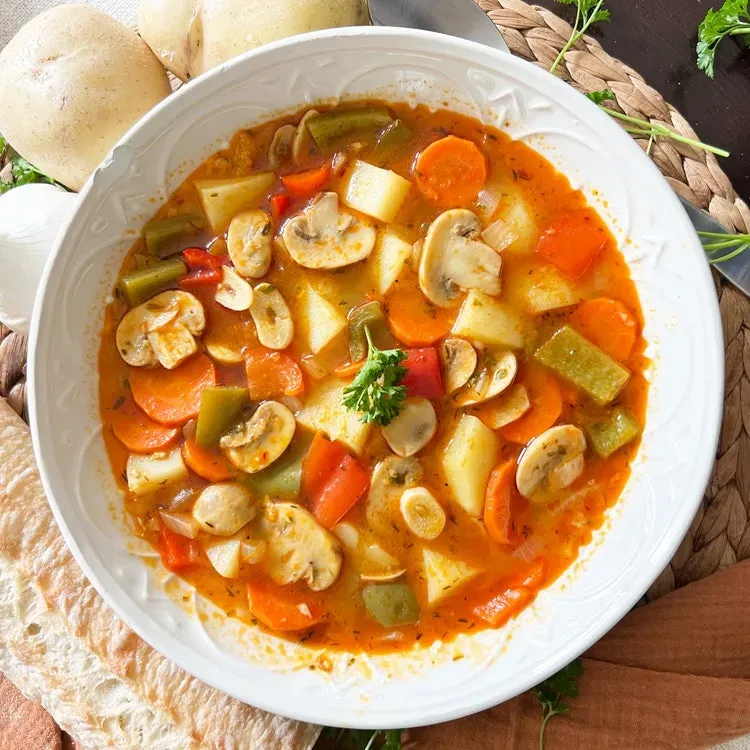
Potato ghorma is a warmly spiced Afghan stew built around potatoes, onions, tomatoes, and a classic korma-style spice base. It's simple, comforting, and adaptable, and the core technique is consistent across Afghan home cooking: slowly simmering vegetables in a seasoned broth until everything becomes tender and richly flavored. The following recipe draws from well-documented Afghan potato ghorma preparations, which use onions, ginger‑garlic, turmeric, coriander, cumin, paprika, tomato paste, and potatoes simmered in broth.
🥣 Potato Ghorma (Afghan-Style)Ingredients
- 2 tbsp olive oil
- 2 medium onions, thinly sliced
- 1 hot pepper, sliced (optional)
- 1 tbsp ginger‑garlic paste
- 1 tsp turmeric
- 1 tsp ground coriander
- 1 tsp ground cumin
- 1 tsp paprika
- 2 heaping tsp tomato paste
- 5 medium potatoes, peeled and cut into chunks
- 3 cups vegetable broth (or water)
- Salt and black pepper to taste
Instructions
- Build the base. Heat the oil in a pot over medium heat. Add the sliced onions and cook until lightly browned.
- Bloom the spices. Add the ginger‑garlic paste, turmeric, coriander, cumin, and paprika. Stir for about a minute to release their aroma.
- Add tomato paste. Mix in the tomato paste and let it cook briefly to deepen its flavor.
- Add potatoes. Stir in the potato chunks, coating them in the spiced mixture. Season with salt and pepper.
- Simmer. Pour in the broth, bring to a boil, then reduce to a gentle simmer. Cook until the potatoes are tender and the sauce has thickened, about 20-30 minutes.
- Adjust. Taste and adjust seasoning. The stew should be thick, glossy, and richly spiced.
🌿 Variations you'll see across Afghan kitchens
- Tomato-forward versions use diced tomatoes along with tomato paste for a brighter, tangier sauce.
- Nigella seeds or chili powder may be added for extra aroma or heat.
- Yogurt-based korma techniques appear in some regions, though potato ghorma is often kept vegetarian and tomato-based.
🍽️ Serving ideas
- Pair with warm Afghan naan or steamed rice.
- Add fresh cilantro or sliced red onion on top for brightness.
- Serve alongside a cooling yogurt sauce if you prefer a milder balance.
🌾 March Harvest Spotlight
A March harvest spotlight centers on the late‑winter holdovers and the first true signs of spring. In the Mid‑Atlantic-where you are-March is a transitional month, so the harvest mix is surprisingly diverse.
🥕 What's typically harvested or in peak condition in March
These items are widely available at Mid‑Atlantic farmers markets and regional farms.
- Brussels sprouts - A hardy winter crop that often lasts into March, offering sweetness after cold exposure.
- Celery root (celeriac) - Earthy, starchy, and excellent for mashes and soups.
- Kohlrabi - Crisp and mild, great raw or roasted.
- Leeks - A classic early‑spring allium that bridges winter and spring cooking.
- Parsnips - Sweet, nutty roots that store well through winter.
- Turnips - Both roots and greens are usable; flavor is milder in early spring.
- Sunchokes (Jerusalem artichokes) - Nutty tubers that roast beautifully.
- Winter squash - Still available from storage, especially varieties like butternut and kabocha.
- Pears - Certain varieties store well and remain in season into March.
🌱 Early spring arrivals beginning to show up
While not always at peak harvest in early March, these crops begin appearing as the month progresses.
- Arugula, spinach, lettuces, and other greens - Early spring greens start reappearing as temperatures warm.
- Herbs like parsley, dill, and chives - Tender herbs begin to reemerge in spring.
- Broccoli, cauliflower, radishes, scallions - Part of the broader spring category that starts ramping up.
🍽️ How to use March's harvest in your kitchen
March produce works well for meals that feel lighter than winter but still warming.
- Roast Brussels sprouts, parsnips, and sunchokes with olive oil and herbs for a caramelized, hearty side.
- Blend celery root and leeks into a silky soup that bridges winter comfort and spring freshness.
- Shave kohlrabi or turnips into salads with lemon and herbs for crisp, bright textures.
- Use winter squash in grain bowls with early spring greens for a seasonal contrast.
🌤️ Why March produce matters nutritionally
This month's harvest offers a mix of fiber‑rich roots and vitamin‑dense greens. Roots like parsnips and turnips provide slow‑burning carbohydrates, while greens and alliums (like leeks) support micronutrient intake as you shift into spring eating patterns.
🌼 A non‑obvious angle: storage crops as seasonal eating
Even though some March produce was harvested months earlier, items like pears, winter squash, and certain roots are still seasonal because they're designed for long storage. This makes March a great month to explore varieties you may have overlooked earlier in winter.
\


Thank you for participating to our Food as Medicine Program through our partner schools. Your participation has brought more than just health to your table-it's brought joy and community spirit. As we aim to grow and refine this initiative, we deeply value your perspectives and experiences.
Please click HERE or scan the QR code for very brief survey.
share this
Related Articles