

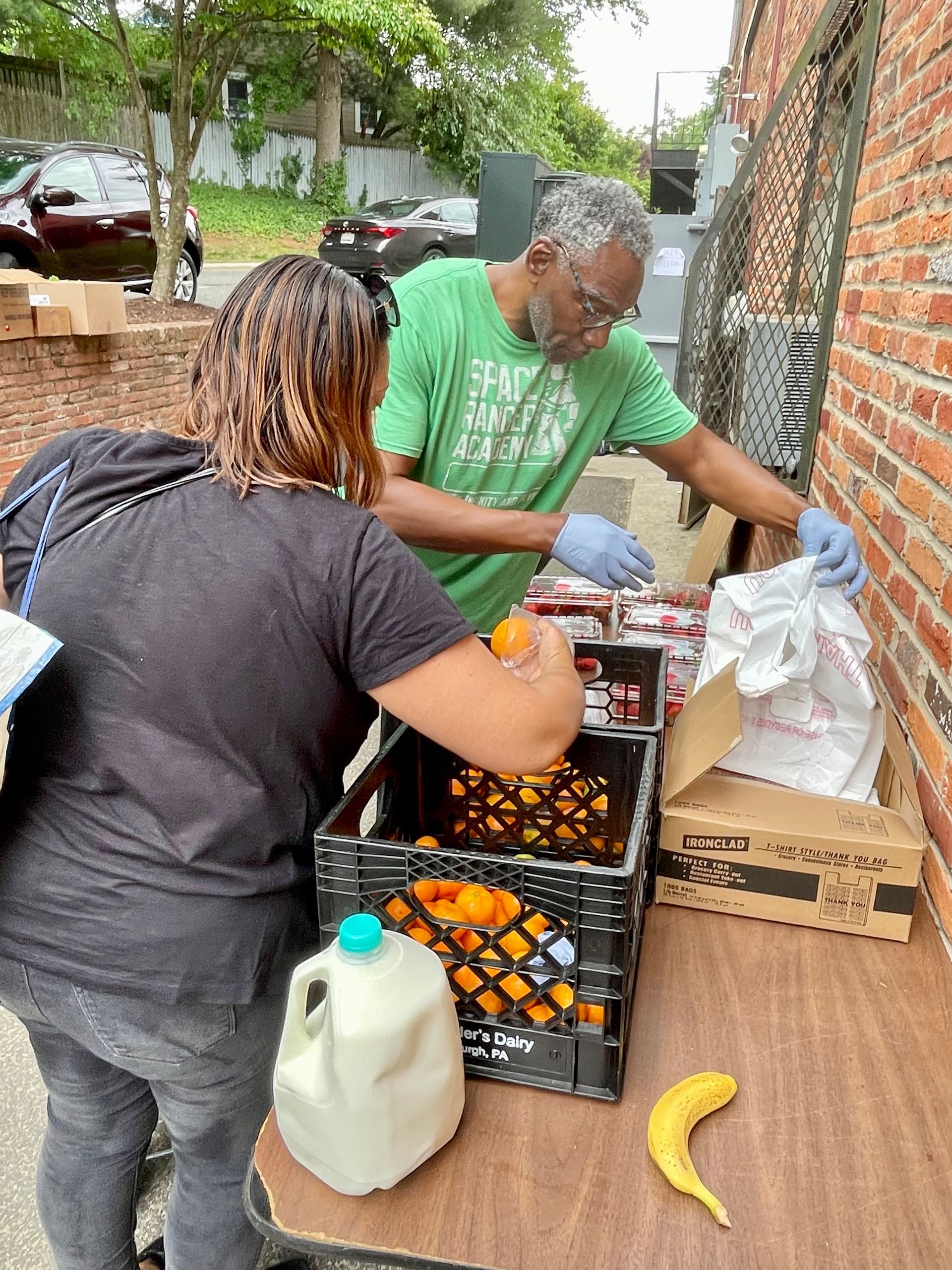

February is American Heart Month, a perfect time to focus on simple, realistic ways to support heart health at home—especially through food. At the LindaBen Foundation, we believe that healthy eating should be accessible and practical, which is why our work centers on providing nutrient-dense food and nutrition education to help families strengthen health and well-being.
Heart-healthy meals don’t require fancy ingredients. With a few affordable staples, you can build filling breakfasts, lunches, and dinners that support steady energy, balanced blood pressure, and overall wellness.
Here are five pantry staples we recommend keeping on hand—and exactly how to use them.
1) Beans (canned or dried)
Beans are one of the best budget-friendly heart-healthy proteins. They’re rich in fiber and plant-based nutrients, and they stretch meals easily.
How to use them:
-
Add to soups, chili, and stews
-
Toss into salads for a protein boost
-
Mash into a quick sandwich spread (like a bean “salad”)
Quick tip: If using canned beans, rinse them to reduce sodium.
2) Oats (rolled or quick)
Oats are a go-to for heart-healthy breakfasts and snacks. They’re filling, versatile, and easy to customize with whatever you have.
How to use them:
-
Overnight oats with fruit and cinnamon
-
Warm oatmeal topped with nuts or peanut butter
-
Blend into smoothies for extra fiber
-
Use as a binder in turkey/meatless patties
Flavor upgrade: Cinnamon, vanilla, and fruit add sweetness without needing a lot of added sugar.
3) Brown rice (or other whole grains like quinoa)
Whole grains provide long-lasting energy and more fiber than refined grains, making them a smart base for heart-healthy bowls.
How to use them:
-
Build a “grain bowl” with beans + frozen veggies + a simple sauce
-
Serve as a side instead of white rice or boxed mixes
-
Stir into soups to make them more filling
Budget tip: Cook a big batch and freeze portions for fast meals.
4) Canned tomatoes (diced, crushed, or sauce—low sodium when possible)
Canned tomatoes make it easy to cook at home more often—one of the most effective ways to reduce excess salt and saturated fat.
How to use them:
-
Homemade veggie soup base
-
Quick marinara with garlic and herbs
-
Simmer with beans for an easy “beans in tomato sauce” dish
-
Add to lentils for a hearty stew
Heart-friendly win: Use herbs, onion, and garlic for flavor instead of heavy salt.
5) Olive oil (or another unsaturated cooking oil)
Healthy fats matter. Replacing butter or shortening with unsaturated oils is a simple shift that supports heart health.
How to use it:
-
Roast vegetables
-
Sauté onions/garlic as a flavor base
-
Make a quick dressing (oil + vinegar/lemon + mustard)
Simple dressing: olive oil + lemon + black pepper + a pinch of salt.
A Bonus “Heart-Healthy Pantry Plate” Formula
When you’re not sure what to cook, try this:
Whole grain + beans + vegetables + flavorful sauce
Examples:
-
Brown rice + black beans + frozen peppers/onions + salsa
-
Oats + fruit + nuts
-
Lentils + canned tomatoes + spices + frozen spinach
This kind of flexible cooking aligns with our approach to making nutritious food more accessible—like the pantry staples we curate in our Food as Medicine produce boxes (such as rice, beans, oils, seasonings, and more).
Keep It Simple This Month
American Heart Month isn’t about perfection—it’s about small choices that add up. If you add just one of these staples to your pantry this week, you’ll be building a foundation for meals that are affordable, filling, and heart-smart.
At the LindaBen Foundation, we’re committed to helping Maryland families access nutritious food and the knowledge to use it in ways that support lasting well-being.