

Article
TLF Healthy Foods April 2026 Newsletter
🌱 April Nutrition Tips
Here's a fresh, spring‑ready set of April nutrition tips-practical, energizing, and perfectly timed for the season's shift toward lighter, brighter eating.
🌱 1. Lean Into Seasonal Produce
April brings a wave of crisp, hydrating, nutrient‑dense foods. Try adding:
- Asparagus
- Spinach
- Radishes
- Strawberries
- Peas
- Artichokes
Seasonal produce tends to taste better and often contains more nutrients because it's harvested closer to peak ripeness.
💧 2. Re‑Establish Hydration Habits
As temperatures rise, your body starts losing more fluid. A simple strategy: pair every meal with a glass of water. If plain water feels boring, try:
- Cucumber or citrus slices
- Herbal teas
- Sparkling water with berries
🥗 3. Lighten Up Your Meals
Spring is a great time to shift from heavier winter dishes to fresher, fiber‑rich meals. Think:
- Grain bowls with quinoa or farro
- Big salads with protein (chicken, tofu, beans, salmon)
- Stir‑fries loaded with vegetables
These meals keep you full without weighing you down.
🌞 4. Boost Vitamin D
Sunlight increases in April, but many people are still low in vitamin D after winter. General ways to support healthy levels include:
- Spending short periods outdoors
- Eating foods like salmon, eggs, and fortified dairy or plant milks
For personalized guidance, a healthcare professional can help assess your needs.
🥕 5. Refresh Your Snack Routine
Swap packaged snacks for whole‑food options:
- Carrots + hummus
- Greek yogurt + berries
- Nuts + a piece of fruit
- Whole‑grain crackers + cheese
These combos balance protein, fiber, and healthy fats.
🍋 6. Spring Clean Your Pantry
April is perfect for a reset. Consider:
- Checking expiration dates
- Replacing old oils and spices
- Stocking staples like beans, whole grains, nuts, and frozen veggies
A tidy pantry makes healthy choices easier.
🧠 7. Practice Mindful Eating
With routines shifting in spring, it's easy to slip into rushed meals. Try slowing down:
- Put your fork down between bites
- Eat without screens
- Notice flavors and textures
Mindful eating helps with satisfaction and portion awareness.
Seasonal Allergy Relief through Food: Explore the ways that certain local produce can help alleviate allergic reactions.
Certain foods-especially those rich in anti‑inflammatory compounds, probiotics, and natural antihistamines-may help ease seasonal allergy symptoms, and some locally sourced produce may offer added benefits. While food can't cure allergies, it can support your immune system and reduce the intensity of reactions. Here's a clear, evidence‑based look at how local produce and smart nutrition choices can help.
🌿 How Food Can Support Seasonal Allergy Relief
🍎 1. Natural Antihistamine Foods
Some fruits and vegetables contain quercetin, a plant compound that helps stabilize mast cells-the cells that release histamine during an allergic reaction.
Best Sources
- Apples
- Berries
- Red grapes
- Onions
- Leafy greens
Why it helps: Quercetin may reduce sneezing, itching, and congestion by moderating your body's histamine response.
🥬 2. Anti‑Inflammatory Produce
Inflammation worsens allergy symptoms. Foods rich in antioxidants and omega‑3s can help calm the immune response.
Helpful Options
- Tomatoes (rich in lycopene)
- Spinach, kale, arugula
- Salmon, walnuts, flaxseed (not produce, but powerful allies)
Why it helps: These foods may reduce airway inflammation and support easier breathing.
🥝 3. Vitamin C-Rich Fruits
Vitamin C helps lower histamine levels and supports immune function.
Great Choices
- Kiwi
- Citrus fruits
- Strawberries
- Pineapple (also contains bromelain, which may ease airway swelling)
Why it helps: Vitamin C acts as a natural antihistamine and may reduce congestion.
🍯 4. The "Local Honey" Question
You've probably heard that local honey or local bee pollen can help desensitize your body to pollen.
What the evidence says
- Some people report symptom relief.
- Scientific evidence is mixed-results vary widely.
- Bee pollen can trigger reactions in people with pollen allergies, so start small if you try it.
Why it might help: Local honey contains trace amounts of pollen from your region, which may gently expose your immune system to allergens.
🥒 5. Local Produce & Cross‑Reactivity
Here's where "local" becomes especially interesting.
Some people experience oral allergy syndrome (OAS)-a condition where the immune system confuses proteins in fresh produce with pollen proteins.
Examples
- Birch pollen allergy → apples, peaches, almonds
- Ragweed allergy → bananas, cucumbers
- Grass pollen allergy → melons, tomatoes
Why local matters:
- Eating local produce exposes you to the same pollen types circulating in your environment.
- For some, this may increase symptoms (due to cross‑reactivity).
- For others, gradual exposure may help the immune system adapt.
This is highly individual-your body's response determines whether local produce helps or irritates.
🥛 6. Gut‑Friendly Foods
A healthy gut microbiome supports a balanced immune response.
Helpful Fermented Foods
- Yogurt with live cultures
- Kefir
- Sauerkraut
- Kimchi
Why it helps: Probiotics may reduce inflammation and improve your body's tolerance to allergens.
🌾 7. Fiber‑Rich Local Produce
Fiber feeds beneficial gut bacteria, which may reduce allergy severity.
Local spring options (in Maryland & Mid‑Atlantic)
- Asparagus
- Spinach
- Radishes
- Peas
- Early strawberries
These foods support gut health and may help regulate immune reactions.
🧂 Quick Comparison: Foods That Help vs. Foods That May Worsen Symptoms
| Helpful Foods | Why | Foods to Limit | Why |
|---|---|---|---|
| Apples, berries, grapes | Natural antihistamines | Aged cheeses, cured meats | High in histamine |
| Leafy greens, tomatoes | Anti-inflammatory | Ultra‑processed foods | Increase inflammation |
| Citrus, kiwi | Lower histamine | Alcohol (especially wine) | Histamine‑rich |
| Yogurt, kefir | Gut support | Strawberries, citrus (for some) | Can trigger symptoms in sensitive individuals |
| Salmon, walnuts | Omega‑3 anti-inflammatory | Cross‑reactive produce (varies by pollen) | May mimic pollen proteins |
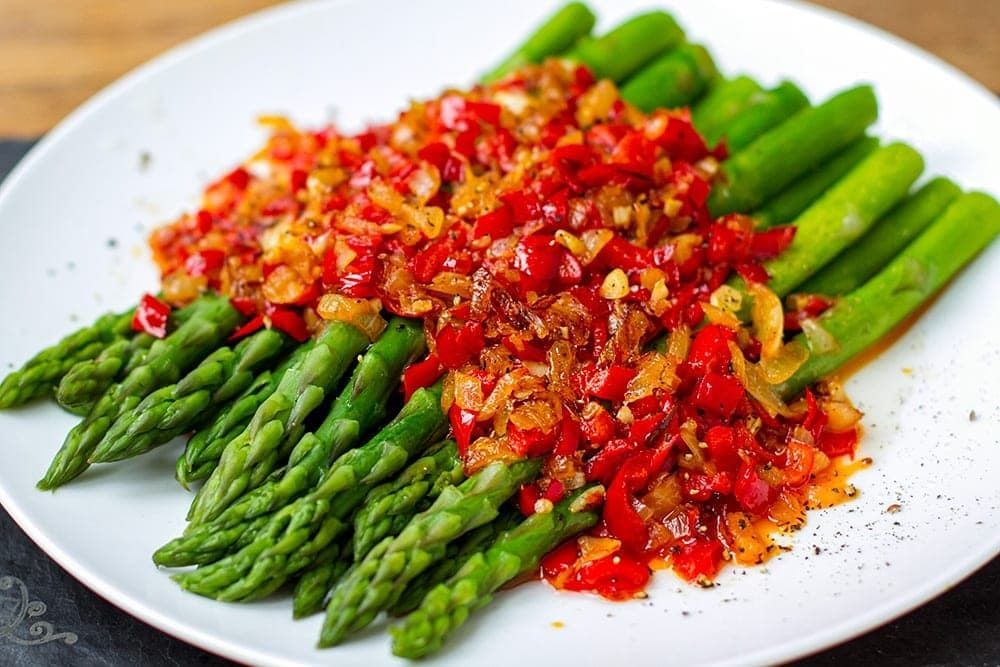

🥣 Spanish Asparagus with red peppers, onion & garlic
Here's a vibrant, Spanish‑inspired dish built around asparagus, red peppers, onion, and garlic-simple, rustic, and bursting with Mediterranean flavor. It's the kind of recipe that tastes like it came straight from a tapas bar.
🇪🇸 Spanish Asparagus with Red Peppers, Onion & Garlic
A warm, savory vegetable sauté that works beautifully as a side dish, tapas plate, or even tossed with eggs or grains.
🥘 Ingredients
- 1 bunch asparagus, trimmed and cut into 2‑inch pieces
- 1 red bell pepper, sliced into thin strips
- 1 small onion, thinly sliced
- 3-4 garlic cloves, thinly sliced or minced
- 2-3 tbsp olive oil (Spanish olive oil if you have it)
- ½ tsp smoked paprika (pimentón) - the key Spanish note
- Salt and black pepper to taste
- Optional:
- A splash of sherry vinegar
- Fresh parsley
- Crushed red pepper
- Toasted almonds or pine nuts for crunch
🔥 Instructions
1. Sauté the aromatics
Heat the olive oil in a large skillet over medium heat. Add the onion and cook until soft and lightly golden. Add the garlic and cook another minute until fragrant.
2. Add the peppers
Stir in the red pepper strips and cook until they begin to soften, about 4-5 minutes.
3. Cook the asparagus
Add the asparagus pieces and season with salt, pepper, and smoked paprika. Sauté until the asparagus is bright green and tender‑crisp.
4. Finish with brightness
Turn off the heat and add a small splash of sherry vinegar (optional but very Spanish). Taste and adjust seasoning.
5. Garnish
Sprinkle with chopped parsley or toasted nuts if you want extra texture.
🍽️ How to Serve It
This dish is incredibly versatile. Try it:
- As a warm tapas plate with crusty bread
- Alongside grilled chicken or fish
- Mixed into a Spanish omelet (tortilla)
- Over rice, quinoa, or couscous
- As a topping for toasted sourdough with a fried egg
🌶️ Want to make it spicier, more traditional, or more protein‑rich?
I can help you adapt it into:
- A classic Catalan‑style sauté
- A smoky paprika‑forward version
- A full meal with chickpeas, chorizo, or shrimp
🥣 Afghan Mashawa
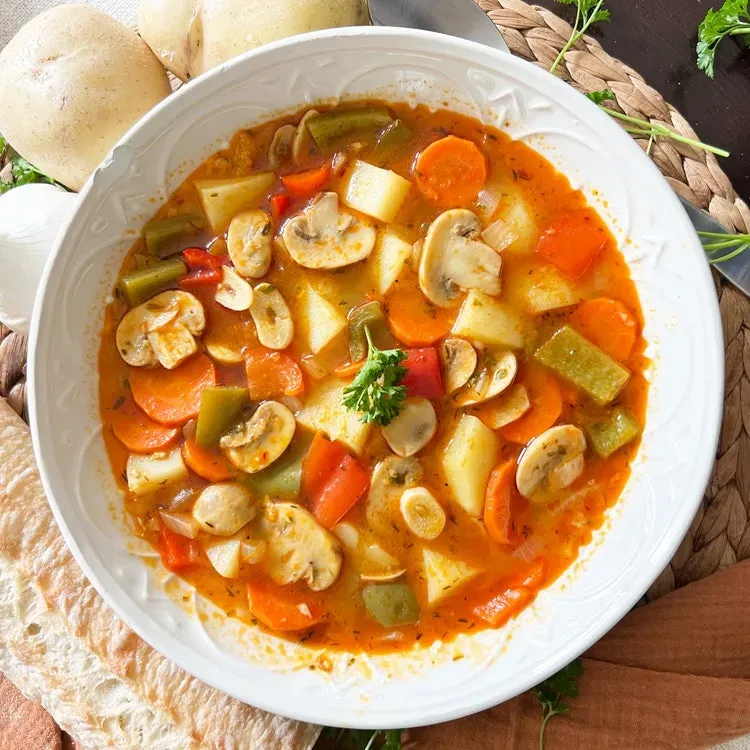
Afghan Mashawa is one of the most comforting dishes in Afghan cuisine-a hearty, slow‑simmered soup built from beans, lentils, vegetables, and warming spices. It sits somewhere between a stew and a soup, rich in texture and deeply aromatic.
Below is a full, structured guide that captures its traditional character while giving you a clear sense of how the dish works and how you can adapt it.
🇦🇫 What Mashawa Is
Mashawa (also spelled Moshawa or Mashawa) is a rustic Afghan mixed‑legume soup. Families often make it in large pots, letting the flavors meld slowly. It's especially popular in colder months but is eaten year‑round because it's nourishing, inexpensive, and deeply satisfying.
🫘 Core Ingredients and Their Role
Mashawa is defined by its blend of legumes and aromatics. Most versions include:
- Mung beans (mash) - the namesake ingredient; they soften into a creamy base.
- Red lentils - cook quickly and thicken the broth.
- Chickpeas or kidney beans - add body and texture.
- Onion, garlic, ginger - the aromatic foundation.
- Tomatoes - provide acidity and depth.
- Turmeric, coriander, cumin - classic Afghan spice profile.
- Fresh cilantro or dill - bright herbal finish.
- Yogurt - stirred in at the end for tang and creaminess (optional but traditional).
🍲 Traditional Afghan Mashawa Recipe
A home‑style version that reflects how it's commonly prepared in Afghan kitchens.
Ingredients
- 1 cup mung beans
- ½ cup red lentils
- ½ cup chickpeas or kidney beans (cooked or canned)
- 1 large onion, finely chopped
- 3-4 garlic cloves, minced
- 1 tbsp grated ginger
- 2 tomatoes, diced (or 1 cup crushed tomatoes)
- 1 tsp turmeric
- 1 tsp ground coriander
- 1 tsp ground cumin
- 2-3 tbsp oil
- Salt and black pepper
- 6-7 cups water or broth
- ½-1 cup plain yogurt (optional but traditional)
- Fresh cilantro or dill for garnish
- Optional: a squeeze of lemon, dried mint, or a little chili for heat
Method
1. Build the flavor base
Heat oil in a large pot. Sauté onion until golden. Add garlic and ginger and cook until fragrant.
2. Add spices and tomatoes
Stir in turmeric, coriander, and cumin. Add tomatoes and cook until they break down and form a thick, aromatic paste.
3. Add legumes
Add mung beans, lentils, and chickpeas/kidney beans. Stir to coat them in the spice mixture.
4. Simmer
Pour in water or broth. Bring to a boil, then reduce to a gentle simmer. Cook 45-60 minutes, stirring occasionally, until the beans soften and the soup thickens.
5. Finish
Season with salt and pepper. Stir in yogurt off the heat for a creamy finish. Garnish with cilantro or dill.
🍽️ How Mashawa Is Served
Mashawa is typically enjoyed:
- With naan or lavash
- As a main dish or a hearty starter
- With a drizzle of yogurt or a sprinkle of dried mint
- Sometimes with a squeeze of lemon for brightness
🔄 Variations Across Afghan Regions
Different families and regions add their own touches:
- With beef or lamb - small pieces simmered until tender.
- With rice or barley - for a thicker, porridge‑like texture.
- With potatoes or carrots - for extra heartiness.
- With more yogurt - turning it into a tangier, creamier soup.
Mashawa has a beautiful balance of comfort and complexity. If you want, I can help you adapt this to a vegetarian version, a quicker weeknight version, or one that matches the ingredients you already have in your kitchen.
🌾 April Harvest Spotlight
April's harvest in Maryland highlights the moment when winter finally gives way to true spring, and the first wave of local produce begins to appear. The shift is subtle but meaningful: tender greens return, early roots emerge, and asparagus marks the official start of the Mid‑Atlantic growing season.
🌿 What Comes Into Season in April
Maryland's April harvest is shaped by cool nights, warming days, and the tail end of frost risk. Several crops begin their season this month, offering some of the freshest flavors of spring.
Early Spring Vegetables
- Spinach - One of the first leafy greens to flourish in cool weather.
- Lettuce - Thrives in early spring's mild temperatures.
- Radishes - Crisp, peppery, and among the earliest root vegetables to mature.
- Turnips - Another cool-season root that begins appearing in April.
The Star of April: Asparagus
- Asparagus begins its Maryland harvest around April 25, continuing into mid‑June. This is one of the most anticipated spring crops, prized for its tenderness and short seasonal window.
Limited Early Fruit
- April is not a major fruit month, but you may see greenhouse-grown strawberries and storage apples lingering from winter.
🌱 Why April Produce Matters
April's harvest is nutritionally dense and environmentally efficient. Cool-season crops grow quickly, require fewer inputs, and reach markets soon after picking. This means:
- Higher nutrient retention due to minimal transport time.
- Better flavor, especially in greens harvested at peak freshness.
- Support for local farms as the growing season ramps up.
🥗 How to Use April's Harvest
A few ideas that match the season's ingredients:
- Toss spinach or lettuce with radishes and a citrus vinaigrette.
- Roast asparagus with olive oil and lemon for a simple side.
- Add turnips to spring soups or sauté them with herbs.
🌸 Looking Ahead
May brings strawberries, peas, and the first wave of early summer crops, so April is the perfect moment to enjoy the delicate, fleeting flavors of early spring.
Earth Day Waste Reductions: Ways to reduce total waste expenditures in your day-to-day.
Reducing day‑to‑day waste becomes far more manageable when you break it into practical habits that touch the places where most waste is generated: your home, your purchases, your food routines, and your community. The most effective strategies combine reducing what comes in, reusing what you already have, and recycling what remains. Several environmental organizations highlight how small, consistent actions can significantly cut waste and lower long‑term costs.
Everyday Habits That Cut Waste at the Source
Small shifts in routine can dramatically reduce the amount of material you throw away.
- Choose reusable items such as water bottles, shopping bags, and coffee cups to avoid single‑use plastics.
- Bring reusable containers when buying takeout or storing leftovers to reduce disposable packaging.
- Opt for durable, repairable goods instead of disposable ones, which lowers both waste and replacement costs.
- Refuse unnecessary items like straws, lids, and single‑use cutlery when you don't need them.
Reducing Waste in the Kitchen and Food Habits
Food waste is one of the biggest contributors to household trash, but it's also one of the easiest areas to improve.
- Plan meals to avoid buying more than you need and reduce spoilage.
- Buy fresh produce with minimal packaging or choose bulk items to cut down on plastic.
- Store food properly to extend shelf life and use leftovers creatively to prevent edible food from being discarded.
- Compost vegetable scraps, coffee grounds, and eggshells to keep organic waste out of landfills and create nutrient‑rich soil.
Home and Lifestyle Adjustments That Lower Waste
Waste reduction extends beyond the kitchen into home maintenance and daily living.
- Use recycled or reclaimed materials for home improvement projects, such as insulation made from recovered paper or glass.
- Clean and store tools, outdoor furniture, and seasonal items properly so they last longer and don't need to be replaced.
- Donate clothing, books, and household items instead of throwing them away, keeping them in circulation and out of landfills.
- Practice mindful consumption by asking whether you truly need an item before purchasing it.
Community and Environmental Engagement
Participating in community efforts amplifies your individual impact and often reduces waste collectively.
- Pick up litter in your neighborhood or local parks to keep waste from entering waterways.
- Share or borrow tools and equipment with neighbors to reduce the need for infrequently used items.
- Support local markets where unpackaged or bulk goods are more common, reducing packaging waste.
Recycling and Proper Disposal
Recycling is most effective when paired with reduction and reuse, but it still plays a key role.
- Follow local recycling guidelines to ensure materials are processed correctly.
- Return single‑use bags to grocery stores for proper recycling and keep hazardous materials out of landfills by using community collection days.
A thoughtful Earth Day habit often becomes a year‑round practice, and the cumulative effect of these small changes can significantly reduce both waste and household expenses. What part of your daily routine feels like the biggest source of waste right now?


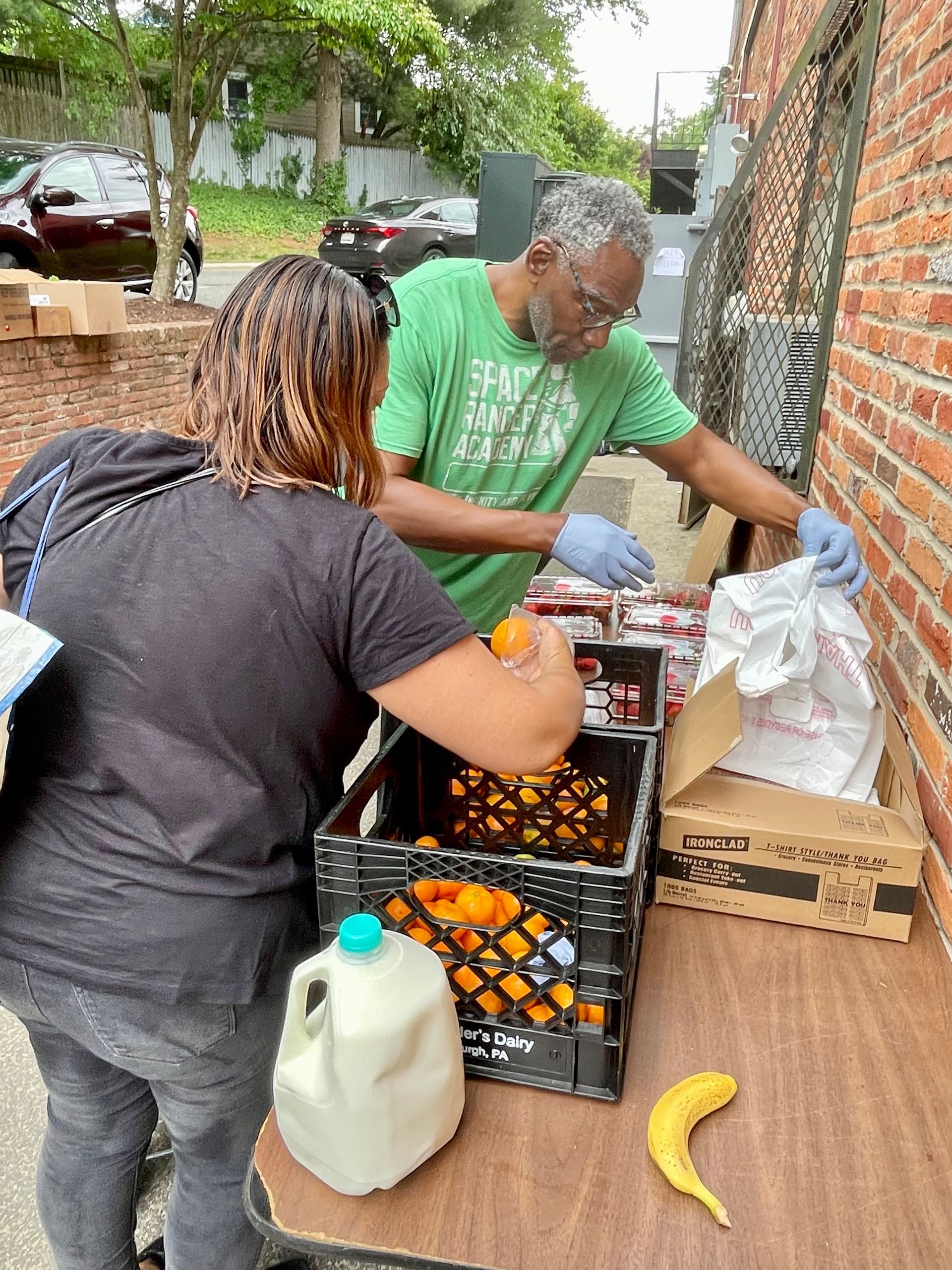
Thank you for participating to our Food as Medicine Program through our partner schools. Your participation has brought more than just health to your table-it's brought joy and community spirit. As we aim to grow and refine this initiative, we deeply value your perspectives and experiences.
Please click HERE or scan the QR code for very brief survey.
share this
Related Articles