
Article
TLF Healthy Foods May 2026 Newsletter
🌱
May Nutrition Tips
May is a strong month for refreshing your eating habits with seasonal produce and nutrient‑dense foods. Many nutrition programs highlight eggs and fresh beans as featured foods this month, offering high‑quality protein, vitamins, and versatility in meals.
Fresh spring produce-like leafy greens, berries, peas, and herbs-pairs naturally with these proteins and supports a balanced, colorful plate.
🥚 Key May Foods & Why They MatterEggs
- Provide complete protein, essential for muscle repair and energy.
- Contain vitamins B12, D, and choline, supporting brain and metabolic health.
- Easy to incorporate into breakfasts, salads, and quick dinners.
- Featured as a "Food of the Month" in May nutrition education programs.
Fresh Beans (green beans, snap beans, shell beans)
- Offer fiber, plant‑based protein, and minerals like magnesium and potassium.
- Support digestive health and steady energy.
- Great in stir‑fries, salads, and side dishes.
- Also highlighted as a May focus food.
🥗 Practical May Nutrition Tips
1. Refresh Your Kitchen & Pantry
Spring is ideal for reorganizing your pantry and fridge-clearing expired items and restocking whole foods makes healthy eating easier. A clean, organized kitchen reduces stress and supports better meal planning.
2. Plan Meals Around Seasonal Produce
May brings abundant fresh fruits and vegetables. Seasonal eating boosts flavor, nutrient density, and affordability. Try adding:
- Strawberries
- Spinach
- Peas
- Fresh herbs
- Asparagus (still in season in many regions)
Getting kids involved in choosing seasonal produce can also encourage healthier eating habits.
3. Build Balanced Plates
Follow healthy eating principles by emphasizing:
- Protein (eggs, beans, poultry, seafood)
- Vegetables & fruits
- Whole grains
- Healthy fats
- Low‑sugar dairy These align with CDC recommendations for nutrient‑dense eating patterns.
4. Limit Added Sugars & Sodium
Reducing sugary drinks, packaged snacks, and high‑sodium foods supports heart health and energy levels.
- Choose water with fruit slices
- Read labels for added sugars
- Opt for low‑sodium packaged items
5. Try New Healthy Recipes
May is a great month to experiment with lighter, fresh meals. Healthy recipe collections for May include options like tilapia with tomatoes and walnuts, ginger pork stir‑fry, and veggie‑forward dishes.
Food Traditions of Renewal: How cultures use early-spring produce and herbs to celebrate new beginnings.
Many cultures use early‑spring foods-especially fresh greens, herbs, and first fruits-as symbols of cleansing, rebirth, and the return of life. These traditions reflect a shared human instinct: when the land wakes up, people mark the moment with foods that signal renewal.
Below is a structured, deeply sourced look at how different cultures use early‑spring produce and herbs to celebrate new beginnings.
🌱 Why Early‑Spring Foods Symbolize Renewal
Across ancient societies, the first edible plants of spring were powerful symbols. They arrived after months of scarcity, carrying both hope and caution. Early greens were often seen as potent, cleansing, and spiritually charged, marking the threshold between winter hardship and new growth.
🌿 Europe & the Balkans: Bitter Greens and Boundary Herbs
Early spring foraging traditions in Europe and the Balkans revolve around bitter greens such as nettle, sorrel, dandelion, young dock, and wild garlic. These plants were believed to:
- Cleanse the body after winter
- Restore balance
- Protect household luck
Because early plants were considered "half‑winter, half‑alive," they were harvested with ritual care-often at dawn, in silence, and only when the season "allowed." Eating them too early was thought to cause imbalance or misfortune.
These greens were usually boiled, strained, or fermented, reflecting the belief that their raw spring energy needed taming before consumption.
🌸 Japan: Hanami & Seasonal Spring Foods
Japan's spring renewal tradition centers on hanami, the cherry‑blossom viewing season. Families gather under blooming trees to enjoy foods that celebrate the fleeting beauty of spring:
- Sakura‑themed mochi
- Rice balls wrapped in pickled cherry leaves
- Tempura spring vegetables
- Seasonal sweets and teas
These foods embody impermanence, beauty, and the renewal of nature, aligning with the cultural meaning of cherry blossoms.
🌾 Iran & Persian Cultures: Nowruz and the Haft‑Seen Table
Nowruz, the Persian New Year, is one of the world's most enduring spring celebrations. Its centerpiece, the Haft‑Seen table, features seven symbolic foods beginning with "S," including:
- Sabzeh (sprouted greens) for rebirth
- Seeb (apple) for health
Fresh herbs and greens are central to Nowruz meals, symbolizing renewal, balance, and the return of life.
Persian spring traditions also treat wild herbs with respect-washed repeatedly, cooked slowly, and often offered symbolically before being eaten.
🌼 Ancient Near East: Spring as the True New Year
In parts of the ancient Near East, the new year began not in winter but when fresh grass returned and herds gave birth. Spring foods-especially the first milk and early grains-signaled survival and renewal. These celebrations mixed joy with anxiety, as communities prayed for protection, good harvests, and healthy families.
🌍 Why These Traditions Matter
Across cultures, early‑spring foods:
- Mark the end of scarcity
- Celebrate rebirth and fertility
- Cleanse the body and spirit
- Reconnect people with the land
- Reinforce cultural identity through ritual meals
Despite geographic distance, the symbolism is remarkably consistent: spring foods are not just nourishment-they are renewal made edible.
Paella with Asparagus and Sugar Snap Peas
Here's a bright, spring‑forward Paella with Asparagus and Sugar Snap Peas-a dish that captures the freshness of the season while keeping the soul of paella intact. I've built a full recipe card for you below, complete with images, ingredients, and step‑by‑step instructions.
Ingredients
2 tbsp olive oil
1 small onion, finely chopped
3 cloves garlic, minced
1 cup paella rice (bomba or arborio)
1/2 tsp smoked paprika
1 pinch saffron threads (optional but classic)
1/2 cup dry white wine
2 1/2 cups vegetable or chicken broth, warmed
1 cup asparagus, cut into 1-inch pieces
1 cup sugar snap peas, trimmed
1 lemon, cut into wedges
to taste salt and pepper
handful fresh parsley, chopped
Instructions
1 Sauté aromatics Heat olive oil in a wide pan over medium heat. Add onion and cook until softened, then stir in garlic for 30 seconds.
2 Toast the rice Add rice, smoked paprika, and saffron. Stir to coat the grains in oil and toast lightly.
3 Deglaze Pour in the white wine and let it simmer until mostly absorbed.
4 Add broth Pour in warm broth, stir once, then let the rice cook undisturbed over medium heat for 15 minutes.
5 Add vegetables Nestle asparagus and sugar snap peas on top. Continue cooking 10-12 minutes until rice is tender and socarrat (crispy bottom) forms.
6 Rest Remove from heat, cover with a clean towel, and rest 5 minutes.
7 Finish Season with salt and pepper, sprinkle with parsley, and serve with lemon wedges.
🌿 Afghan Sabzi
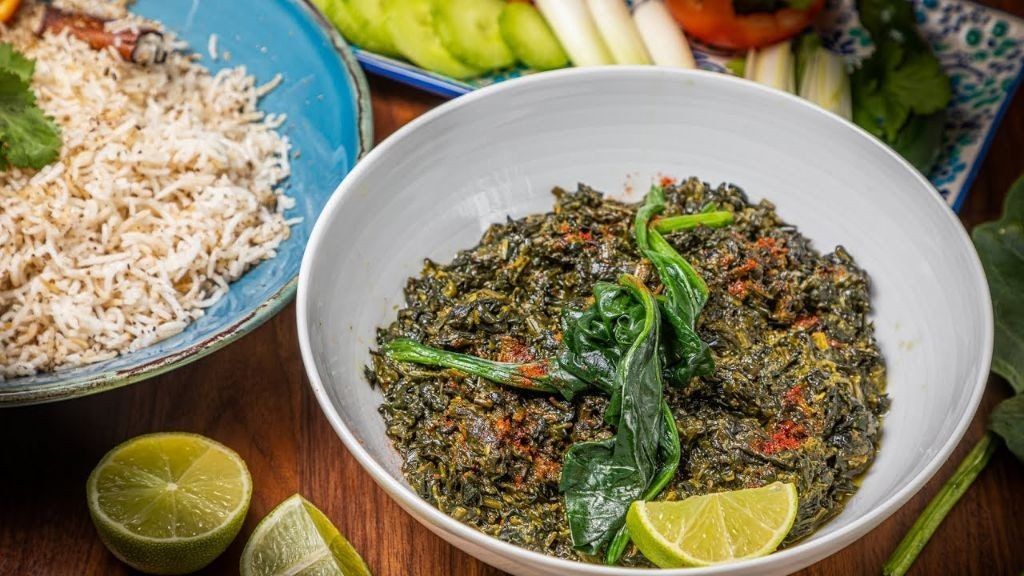
Afghan sabzi is a deeply aromatic spinach stew cooked slowly with onions, garlic, dill, cilantro, and coriander-one of the most beloved green dishes in Afghan cuisine. It's typically served with challow (Afghan rice), naan, or yogurt, and can be made vegan or enriched with meat depending on the region.
Afghan sabzi is essentially braised spinach with herbs, cooked until silky and deeply flavored. Many traditional versions use green onions, cilantro, dill, coriander, and lemon, creating a bright yet earthy profile. Several recipes emphasize slow cooking to develop a creamy texture without dairy.
Some versions are fully vegan, relying on spinach, onions, garlic, cumin, coriander, and black pepper, simmered until tender.
Others incorporate paneer, kidney beans, or korma for a heartier meal.
🥬 Core Ingredients (Across Authentic Variations)
- Spinach (fresh or frozen; the base of the dish)
- Onions or green onions
- Garlic
- Dill (fresh or dried)
- Cilantro
- Ground coriander
- Black pepper
- Salt
- Lemon juice (for brightness)
- Oil or ghee
These ingredients appear consistently across Afghan sabzi recipes from Afghan cooks, food writers, and cultural sources.
🍲 How It's Traditionally Cooked
- Sauté onions and garlic in oil until golden.
- Add spinach (fresh or frozen) and cook until wilted.
- Mix in dill, coriander, pepper, and salt.
- Simmer gently until the spinach becomes soft and thick.
- Finish with cilantro and lemon juice for freshness.
This slow braising method is central to Afghan sabzi's signature texture.
🥄 Serving Traditions
Afghan sabzi is commonly served with:
- Challow (Afghan white rice)
- Naan or pita
- Greek yogurt for contrast
Many Afghan cooks note that sabzi pairs beautifully with rice and meat curries, or stands alone as a vegan main.
🌾 May Harvest Spotlight
May's harvest spotlight features asparagus, strawberries, peas, radishes, spinach, and other peak‑spring produce-foods at their best flavor, nutrition, and affordability this month.
Below is a structured, evidence‑based guide to what's in season in May, why it matters, and how to use it.
🌿 What's in Peak Season in May
May marks peak spring mode, with markets full of vibrant vegetables and the first sweet fruits of the year. According to seasonal produce guides, May brings an abundance of asparagus, artichokes, leeks, fava beans, radishes, carrots, peas, and strawberries, along with continued availability of rhubarb.
Additional seasonal lists highlight spinach, blueberries, cherries, cantaloupe, tomatoes, zucchini, and leafy greens, offering a wide spectrum of colors and nutrients.
In Maryland specifically, May aligns with the harvest of spinach and the beginning of strawberry season, which typically runs from mid‑May through early July.
🍓 Key May Produce & Why They ShineStrawberries
- Rich in vitamin C and antioxidants
- Peak sweetness and juiciness in May
- Ideal for shortcakes, salads, and smoothies
Asparagus
- High in fiber, folate, and vitamins A, C, and K
- Supports digestion and has anti‑inflammatory properties
- Excellent roasted, grilled, or added to spring paella
Peas (green, snap, snow)
- Provide plant‑based protein and minerals
- Sweet, crisp, and perfect for salads or pasta
Rhubarb
- Tart, high in fiber and vitamin K
- Pairs beautifully with strawberries in pies and crisps
Spinach
- Loaded with iron, magnesium, and vitamins A & C
- Supports eye and immune health
🥗 How to Use May's Harvest
- Pair strawberries + rhubarb for classic spring desserts.
- Sauté asparagus with mushrooms or add to grain bowls.
- Blend spinach into smoothies or wilt into pastas.
- Toss peas into salads, risotto, or stir‑fries.
- Use carrot tops (if attached) to make pesto.
Local Farmer Highlights: Looking at various local food producers and highlighting some of their products.
Miller Farms in Clinton, MD is a long‑standing, family‑owned farm known for fresh produce, a full bakery, pick‑your‑own strawberries, a nursery, and seasonal activities like hayrides and pumpkin patches.
🌾 What Miller Farms Offers
Miller Farms is a family‑owned and operated produce farm serving Prince George's County. They emphasize locally grown fruits and vegetables, sustainability, and community‑centered activities.
Fresh Produce Market
- Wide selection of fresh fruits and vegetables, jarred goods, meats, and seasonal specialties.
- Known for strawberries, especially during their spring pick‑your‑own season.
- Offers nursery plants, herbs, hanging baskets, and vegetable starts.
Bakery & Ice Cream
- Homemade ice cream, donuts, pies, pastries, and seasonal baked goods.
- New additions include conchas and churros.
Pick‑Your‑Own Strawberries
- Weekdays: 9 a.m.-1 p.m.
- Weekends: 9 a.m.-5 p.m.
- Seasonal and weather‑dependent.
- Seasonal Activities
- Fall Family Fun: hayrides, corn maze, slides, pumpkin patch.
- Field trips and community events.
- 📍 Location & Contact
- Address: 10140 Piscataway Rd, Clinton, MD 20735
- Phone: 301‑297‑9370
- 🕒 Hours of OperationProduce Market
- Mon-Sat: 8:00 a.m.-7:00 p.m.
- Sun: 9:00 a.m.-5:00 p.m.
- Bakery
- Mon-Fri: 6:00 a.m.-7:00 p.m.
- Sat: 7:00 a.m.-7:00 p.m.
- Sun: 7:00 a.m.-5:00 p.m.
⭐ Community Reputation
Miller Farms is widely regarded as a local gem, praised for:
- Fresh produce and baked goods
- Family‑friendly atmosphere
- Seasonal treats like strawberry shortcake ice cream
- Ample parking and easy access
They hold a 4.6‑star rating from nearly 2,000 reviews, reflecting strong community support.

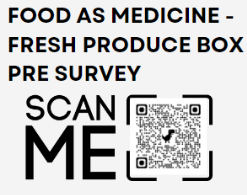
Thank you for participating to our Food as Medicine Program through our partner schools. Your participation has brought more than just health to your table-it's brought joy and community spirit. As we aim to grow and refine this initiative, we deeply value your perspectives and experiences.
Please click HERE or scan the QR code for very brief survey.
share this
Related Articles