
Article
TLF Healthy Foods June 2026 Newsletter
🌱
June Nutrition Tips
June is the first true month of summer eating, and the theme is hydration + peak‑season produce + lighter, cooling meals. Here's a structured, evidence‑grounded set of June Nutrition Tips, built from the latest seasonal‑eating and summer‑nutrition guidance.
🌞 Key Takeaway
June is about hydrating foods, fresh seasonal fruits, and light meals that support energy as temperatures rise. Seasonal produce like strawberries, cherries, blueberries, tomatoes, and summer squash are at their nutritional peak.
🍓 1. Prioritize June's Peak Seasonal Produce
June kicks off the richest stretch of summer produce, offering foods with maximum vitamins, minerals, and antioxidants. Seasonal eating boosts flavor, nutrient density, and affordability.
June All‑Stars
Strawberries - peak season now; extremely high in vitamin C (149% DV per cup) and antioxidants. Supports heart health and reduces inflammation.
Cherries - rich in melatonin, anthocyanins, and potassium; support sleep and muscle recovery.
Blueberries - peak June-August; excellent for brain health and memory due to high anthocyanin levels.
Tomatoes, summer squash, leafy greens - naturally hydrating and rich in antioxidants that support skin health in summer sun.
How to use them: Add berries to yogurt, toss cherries into salads, grill squash, or make tomato‑cucumber bowls for cooling hydration.
💧 2. Make Hydration a Daily Priority
June heat increases sweat loss, and dehydration often masquerades as hunger. Drinking consistently throughout the day helps maintain energy and prevents overeating.
Practical hydration habits:
Carry a cold insulated bottle everywhere.
Add citrus, cucumber, or berries to water.
Choose hydrating foods like watermelon (over 90% water) and cucumbers.
🥗 3. Shift Toward Light, Fresh Meals
As temperatures rise, lighter meals feel better and support digestion.
Great June meal patterns:
Big salads with protein (chicken, salmon, tofu, beans).
Grain bowls with quinoa or farro + fresh veggies.
Grilled vegetables and lean proteins.
Fresh fruit as dessert instead of baked sweets.
These meals deliver fiber, hydration, and steady energy without heaviness.
🌿 4. Support Skin & Sun Health Through Food
June sun exposure increases oxidative stress. Seasonal produce helps counter it.
Helpful nutrients:
Lycopene (tomatoes, watermelon) - linked to reduced inflammation and sun‑related skin stress.
Vitamin C (berries, citrus) - supports collagen and skin repair.
Omega‑3s (salmon, walnuts) - help reduce inflammation.
🧠 5. Practice Mindful Eating at Summer Events
BBQs, cookouts, and celebrations ramp up in June. Mindful eating helps you enjoy them without extremes.
Mindful strategies:
Slow down and savor each bite.
Balance indulgent days with lighter meals before/after.
Enjoy seasonal treats without guilt - part of a healthy rhythm.
🍹 6. Keep Alcohol in Check
Alcohol is everywhere in summer gatherings, but it dehydrates and can derail nutrition goals. Moderation supports energy, hydration, and better food choices.
🌎 7. Shop Local for Maximum Nutrition
June is prime farmers' market season. Local produce is fresher, more nutrient‑dense, and often cheaper. It also supports local agriculture and reduces environmental impact.
The niche market for Heirloom produce: Exploring and showcasing some incredible heirloom produce and the basic science behind it.
Heirloom produce sits at the intersection of history, biodiversity, flavor, and science, and the niche market around it is growing because consumers increasingly value authenticity, sustainability, and culinary distinction. Here's a deep, structured exploration of the niche market for heirloom produce and the basic science that makes these varieties so special, grounded in current research.
🌱 Core Insight
Heirloom produce thrives in a niche market because it offers cultural heritage, genetic diversity, and unique sensory qualities that modern commercial varieties often lack. Scientifically, heirlooms are open‑pollinated, genetically stable, and preserve traits that industrial breeding has largely bred out.
🛒 1. The Niche Market: Why Heirlooms Appeal
Recent research shows that consumer awareness of heirloom/heritage crops is still limited, but those who know them value their story, rarity, and authenticity. A national discrete choice experiment found that willingness‑to‑pay varies by crop type and by whether consumers connect more with the legacy (heirloom) or cultural/historical (heritage) aspects of the crop.
What drives the niche market:
Flavor superiority - heirlooms often taste better because they're bred for flavor, not shipping durability.
Cultural storytelling - each variety carries a lineage, often tied to immigrant communities, regions, or families.
Biodiversity preservation - consumers increasingly value foods that protect genetic diversity.
Sustainability alignment - niche markets support environmentally friendly practices and small farms.
Premium pricing - consumers pay more for uniqueness and authenticity, creating viable micro‑markets for farmers.
How niche markets support sustainability
A systematic review of niche agri‑food markets shows they help farmers adopt sustainable practices by:
Offering price premiums
Creating knowledge‑sharing networks
Encouraging innovation and environmentally friendly production
2. The Science Behind Heirloom Produce
Heirloom vegetables are typically 50-100+ years old, passed down through generations, and always open‑pollinated. This means they reproduce "true to type," preserving their genetic identity.
Key scientific characteristics:
Open‑pollination Pollination occurs naturally (wind, insects), maintaining genetic stability over time.
Genetic diversity Heirlooms maintain alleles that modern hybrids have lost-important for disease resistance, climate resilience, and flavor compounds.
Phenotypic variation They show more variation in size, shape, and color-traits often removed from commercial breeding for uniformity.
Flavor chemistry Many heirlooms contain higher concentrations of volatile aromatic compounds, sugars, and acids that create complex flavors.
Adaptation to local ecosystems Because they've been grown in specific regions for generations, they often thrive in local soils and climates.
🍅 3. Incredible Heirloom Varieties Worth Showcasing
Here are standout heirloom crops that embody the niche market's appeal:
Heirloom Tomatoes
Varieties: Cherokee Purple, Brandywine, Green Zebra
Why they matter: unmatched flavor complexity; high lycopene; diverse colors and shapes.
Heirloom Squash
Varieties: Delicata, Hubbard, Cushaw
Why they matter: deep sweetness, long storage life, cultural significance in Indigenous foodways.
Heirloom Apples
Varieties: Arkansas Black, Roxbury Russet
Why they matter: unique tannins, firm textures, and historical ties to early American orchards.
Heirloom Rice
Varieties: Carolina Gold, Kokuho Rose (heritage)
Why they matter: distinct starch profiles, cultural heritage, and regional identity.
Heirloom Cabbage
Varieties: Early Jersey Wakefield
Why they matter: tender leaves, ideal for fermentation, and historical culinary use.
🌾 4. Why Heirlooms Matter for the Future
Heirloom crops are not just nostalgic-they're genetic insurance. As climate change and disease pressures increase, the genetic diversity preserved in heirlooms becomes essential for future breeding programs.
Niche markets help keep these varieties alive by making them economically viable for farmers. Research shows that market‑driven conservation is feasible when consumers understand the value of heritage crops.
🧪 5. The Bottom Line
Heirloom produce succeeds in niche markets because it offers:
Superior flavor
Cultural and historical depth
Biodiversity preservation
Sustainable farming alignment
A premium, story‑driven consumer experience
Scientifically, heirlooms are living archives of genetic diversity-open‑pollinated, stable, and rich in traits that modern agriculture increasingly needs.
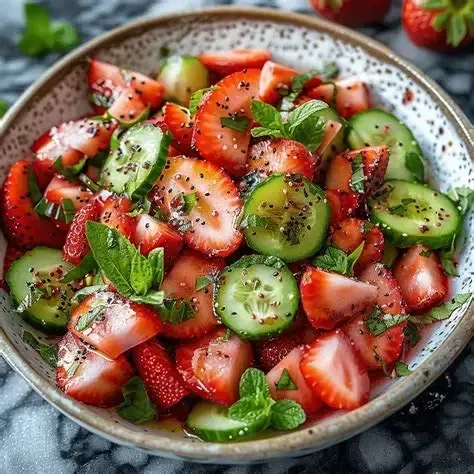
Strawberry-Cucumber Salad with berries
Here's a bright, refreshing Strawberry‑Cucumber Salad with Mixed Berries - light, hydrating, and perfect for June's peak produce. I've turned it into a clean, easy recipe card you can use anytime.
Ingredients
1 cup fresh strawberries, sliced
1 cup cucumber, thinly sliced or diced
1/2 cup blueberries
1/2 cup raspberries (optional)
2 tbsp fresh mint or basil, chopped
1 tbsp honey or maple syrup
1 tbsp fresh lemon juice
1 tsp extra‑virgin olive oil
Pinch sea salt
Optional
feta cheese or toasted almonds for topping
Instructions
1 Prep the produceSlice strawberries, cucumbers, and chop the herbs. Rinse blueberries and raspberries gently.
2 Make the dressingWhisk together lemon juice, honey, olive oil, and a pinch of salt until smooth.
3 CombineAdd all fruit and cucumbers to a bowl. Pour dressing over and toss gently to avoid crushing the berries.
4 Finish Top with mint or basil. Add feta or almonds if you want a savory or crunchy contrast.
5 ServeEnjoy immediately or chill for 10 minutes to let flavors meld.
🍳 Sautéed Squash, Tomatoes, Corn & Onion
Here's a fresh, flavorful, summer‑perfect recipe for Sautéed Squash, Tomatoes, Corn & Onion - the classic skillet dish you asked for earlier, but now in a clean, ready‑to‑cook format. This is exactly the kind of late‑spring/early‑summer vegetable medley that shines in Maryland's June harvest.
A fast, colorful skillet sauté that balances sweetness (corn, tomatoes), tenderness (squash), and savory depth (onion). Great as a side or tossed with grains for a full meal.
⭐ Quick Summary
Prep: 10 minutes
Cook: 10-12 minutes
Serves: 4
Flavor profile: Sweet, juicy, lightly caramelized, summery
🥕 Ingredients
2 tbsp olive oil
1 medium onion, chopped
2 small zucchini or yellow squash, sliced or chopped
1 cup corn kernels (fresh or frozen)
2 medium tomatoes, chopped (or 1 cup cherry tomatoes, halved)
1 garlic clove, minced (optional)
Salt & black pepper
Fresh herbs: basil, parsley, or chives (optional)
🔥 Method
Heat the oil in a large skillet over medium‑high heat.
Add the onion and sauté until softened and lightly golden, 3-4 minutes.
Add the squash and cook until crisp‑tender, about 5 minutes.
Stir in the corn and cook 2-3 minutes more.
Fold in the tomatoes and cook just until they release a little juice but still hold shape (1-2 minutes).
Season with salt and pepper.
Finish with fresh herbs if you like.
🌿 Tips for Best Texture
Add tomatoes last to avoid a watery skillet.
If using fresh corn, cut kernels straight off the cob for extra sweetness.
A splash of lemon juice or balsamic at the end brightens everything.
🍽️ Serving Ideas
As a side for grilled chicken, fish, or tofu
Over quinoa or farro for a quick bowl
Mixed with pasta + parmesan
Topped with feta or goat cheese
🌾 June Harvest Spotlight
June in Maryland is the true kickoff of early summer harvest, and the theme is abundance: berries, greens, peas, early squash, and the first sweet corn begin rolling in. Based on Maryland's official harvest calendar and regional seasonal‑produce guides, here's your June Harvest Spotlight, grounded in what's actually in season locally.
🌞 Key Takeaway
June brings peak berries, crisp greens, sweet peas, and the first wave of summer vegetables. It's one of the most diverse and flavorful months of the year.
🍓 Peak Fruits in June
These fruits hit their Maryland harvest window this month, offering maximum sweetness and nutrient density.
Strawberries - Harvest runs until June 20; this is the last chance for peak flavor.
Sweet cherries - Harvest begins June 10-July 10; juicy, antioxidant‑rich, and perfect for snacking.
Sour cherries - Short season June 15-July 15; ideal for pies and preserves.
Blueberries - Start ripening June 20-Aug 1; excellent for brain health and summer desserts.
Raspberries (red & black) - Harvest June 15-July 10; intensely flavorful and great for salads or yogurt bowls.
🥬 Vegetables at Their Best
June is a crossover month: late‑spring greens meet early‑summer veggies.
Peas (green) - Peak June 1-July 1; sweet, crisp, and perfect raw or lightly sautéed.
Cabbage - Long season begins June 1-Sept 15; great for slaws and grilling.
Snap beans - Start June 10-Sept 15; tender and versatile.
Broccoli - At peak freshness in June; local varieties are sweeter and crisper.
Beets - Early harvest begins; earthy, sweet, and nutrient‑dense.
Carrots - Snappy and sweet in early summer.
Arugula, spinach, lettuce - Still abundant; perfect for cooling salads.
🌽 Early Summer Arrivals (Late June)
These show up toward the end of the month as temperatures rise.
Summer squash - Begins June 25-Sept 1; ideal for grilling or sautéing.
Sweet corn - Starts June 25-Sept 15; one of Maryland's most iconic summer crops.
Pole beans - Begin June 25-Aug 30; great for stews and sautés.
🥗 How to Use June's Harvest
A few ways to turn this month's produce into fresh, seasonal meals:
Berry breakfast bowls with yogurt, nuts, and honey.
Pea + mint salad with lemon vinaigrette.
Grilled cabbage wedges with olive oil and smoked paprika.
Summer squash + cherry tomato sauté for a quick side.
Fresh corn salad with basil, lime, and feta (late June).
🌱 Why June Matters Nutritionally
June produce is:
Hydrating (berries, greens, squash).
Antioxidant‑rich (cherries, blueberries, raspberries).
High in fiber (peas, cabbage, carrots).
Perfect for lighter, cooling meals as temperatures rise.
Local Farmer Highlights: Looking at various local food producers and highlighting some of their products.
Albright Farms is a family‑run Maryland farm known for pasture‑raised poultry, pork, and beef, with two primary farm locations in Baltimore County. Your search results confirm both sites and their contact details.
🐓 Albright Farms - Maryland Overview
Albright Farms is a long‑established, multi‑generation farm specializing in:
Pasture‑raised chicken & turkey
Grass‑fed beef
Heritage pork
Farm‑fresh eggs
Local produce (seasonal)
They're well‑known at Maryland farmers' markets and for supplying high‑quality meats to local families and restaurants.
📍 Locations (Both Active Farm Sites)
1. Phoenix, MD (Main Farm Store)
Address: 3505 Sweet Air Rd, Phoenix, MD 21131
Phone: (410) 666‑1116
Rating: 4.6 ★ (59 reviews)
Hours: Open until 6 PM
This is their primary retail location where you can buy meats directly.
2. Monkton, MD (Farm Site)
Address: 15630 Old York Rd, Monkton, MD 21111
Phone: (410) 329‑3269
Rating: 4.5 ★ (2 reviews)
Smaller site; typically used for farm operations and pickups.
🛒 Where You'll See Them in the Community
Albright Farms is a regular vendor at many Maryland farmers' markets, including:
Baltimore Farmers' Market & Bazaar
Towson Farmers Market
Kenilworth Farmers Market (Market participation varies by season.)
🌱 What They're Known For
No antibiotics or added hormones
Pasture‑centered animal welfare
Local feed sourcing
High‑quality cuts (especially chicken thighs, whole birds, pork sausage, and ground beef)
Their meats are popular for being clean, flavorful, and raised with transparency - a big reason they have a loyal following.
share this
Related Articles